When exploring the world of collectibles, vintage toy trucks hold a special charm. They bring nostalgia and a sense of history. But how to identify a vintage toy truck? Renowned toy expert, John Smith, emphasizes the importance of understanding the details: “It's the little things that tell you if a toy is truly vintage.”
Identifying genuine vintage trucks can be intricate. Collectors should examine various aspects. From paint quality to structural design, each element has a story to tell. Information about the manufacturer and era of production can significantly influence value. Moreover, a truck's condition plays a crucial role in its overall worth.
With the rise of reproductions, scrutiny is vital. Counterfeits can mimic the appearance but lack genuine craftsmanship. Familiarizing oneself with reliable sources can enhance confidence in buying decisions. However, the journey of discovery may reveal imperfect information. Knowledge evolves, and understanding vintage toys is a continuous process. Embrace the nuances and let your curiosity guide you.
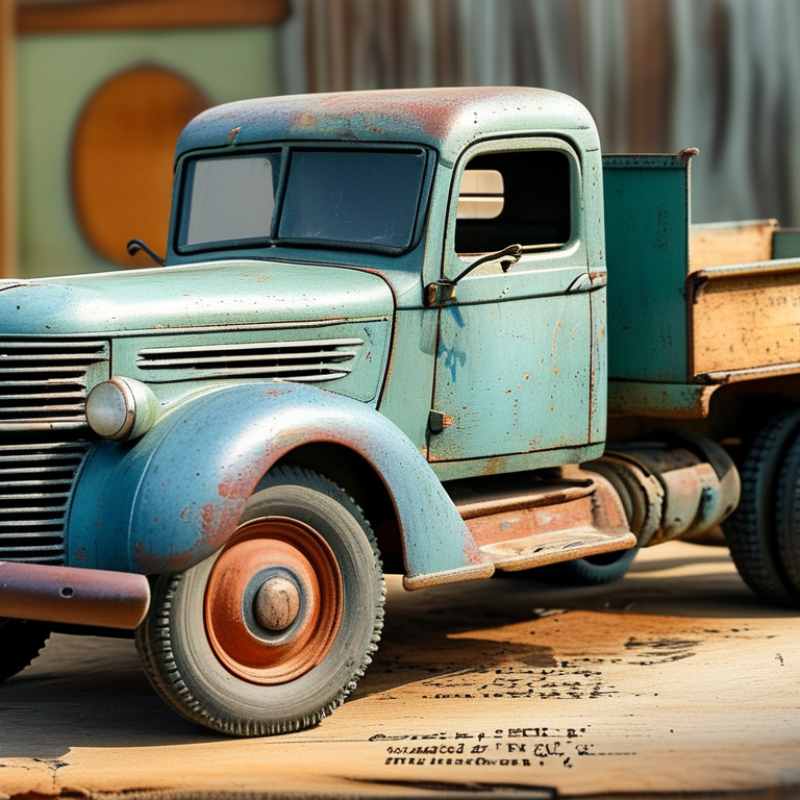
When identifying vintage toy trucks, understanding their unique characteristics is crucial. Vintage toy trucks often exhibit distinct features that set them apart. For instance, many have simple, yet durable designs made from metal or high-quality plastics. Data from the Toy Industry Association indicates that toys manufactured before the 1980s frequently used materials that are no longer commonplace. This adds to their charm and collectability.
Collectors should pay attention to paintwork and decals. Most vintage trucks feature hand-painted details or stickers that represent the time period. Reports show that unrestored toy trucks can vary in value significantly, often influenced by the condition of these features. A truck with original paint may be worth 30% more than one that has been restored.
Another key characteristic is the size and scale of these toys. Vintage toy trucks typically range from 1:24 to 1:64 scale. Understanding these dimensions can help in distinguishing them from modern counterparts. However, not all vintage toys are easily categorized. Some may exhibit unusual characteristics or variations, deeply affecting their value and history. Reflecting on such complexities can enhance your appreciation for this intriguing collectible.
| Feature | Description | Year Range | Common Materials | Value Range |
|---|---|---|---|---|
| Scale Size | Typically 1:24 or 1:18 scale | 1950s-1980s | Die-cast and plastic | $50 - $300 |
| Color Schemes | Bright colors were popular | 1960s-1970s | Enamel paint and plastic | $30 - $150 |
| Wheels | Rubber or hard plastic wheels | 1940s-1990s | Rubber and plastic | $20 - $100 |
| Detailing | Realistic details like lights, decals | 1950s-1980s | Metal and plastic | $60 - $400 |
| Manufacturing Marks | Check for labels, stamps, or inscriptions | Pre-1990s | Metal and plastic | $70 - $500 |
: Look for prominent brands and manufacturers. Their reputation often reflects quality and craftsmanship.
Trucks from the 1950s and 1960s are often more valuable. Their prices may reach five times the original value.
Focus on logo placement, paint quality, and manufacturing techniques. Intricate details increase appeal.
Nostalgia can cloud judgment. Age alone doesn’t guarantee value; research is essential.
Check for manufacturer marks or stamps. They can reveal the truck's history and craftsmanship.
The time period influences design and function. Unique features reflect societal changes of that era.
They offer insights and share knowledge. However, be wary of unreliable information.
Use online auction platforms, vintage fairs, or forums. Cross-check facts to ensure accuracy.
Engage with seasoned collectors. Asking questions fosters learning, but reflect on the information received.
The article "2026 Top Tips for Identifying Vintage Toy Trucks" provides a comprehensive guide on how to identify a vintage toy truck. It begins by outlining the key characteristics that distinguish vintage toy trucks from modern replicas, focusing on elements such as design, size, and finishes. The article emphasizes the importance of recognizing prominent brands and manufacturers known for producing vintage toy trucks, which can enhance the authenticity of a piece.
Furthermore, it discusses the common materials used in vintage toy truck production, including tin, die-cast, and plastic, and explains how these materials can indicate a truck's age and authenticity. Evaluating the condition and rarity of a toy truck is crucial in determining its value, while researching its provenance and historical context adds depth to its background. By following these tips, collectors and enthusiasts can successfully navigate the world of vintage toy trucks and answer the question: how to identify a vintage toy truck?

 Turbo Truck