How to Boost Sharing of Toy Trucks Among Children?

Time:2026-06-04 Author:Oliver
0%

Sharing toys is a fundamental part of childhood. However, many children struggle with this concept, particularly when it comes to favorites like toy trucks. How to encourage sharing with toy trucks? This question can lead to effective strategies that promote cooperation and mutual enjoyment among children.

Boosting sharing requires an understanding of children's emotions. They often see toys as extensions of themselves. Sharing can provoke feelings of anxiety or competition. A parent or caregiver’s role is crucial here. By modeling sharing behaviors, adults can influence children’s actions positively.

Incorporating playdates can also enhance sharing opportunities. Allowing children to interact and explore toy trucks together creates naturally shared experiences. However, conflict may arise during these interactions. It’s important to allow moments of struggle, as they offer valuable lessons for negotiation. By guiding children through these scenarios, they can learn to value sharing beyond the toy itself.
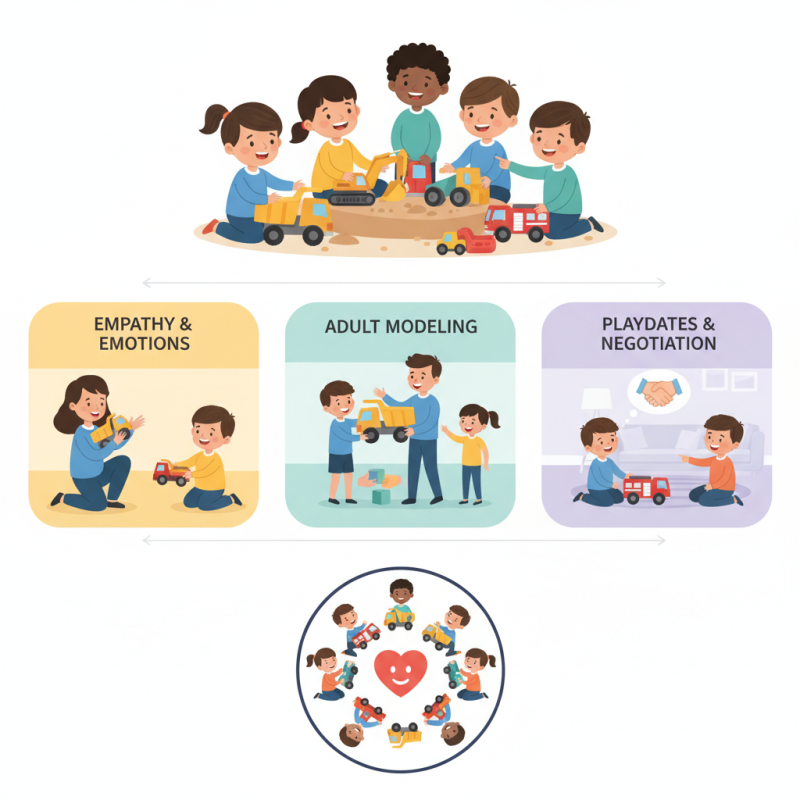
How to Boost Sharing of Toy Trucks Among Children?

Understanding the Importance of Sharing in Early Childhood Development

Sharing is a critical aspect of early childhood development. Research shows that children learn valuable social skills through sharing. According to a study from the American Academy of Pediatrics, cooperative play fosters empathy and emotional intelligence. When children share toy trucks, they engage in communication and negotiation. This builds their confidence.

However, sharing doesn't always come naturally. Many children struggle with the concept. A report by the National Association for the Education of Young Children revealed around 70% of children experience difficulty sharing toys. They may feel possessive or anxious. In contrast, classrooms that emphasize sharing can see greater social interactions and improved relationships.

Creating an environment that encourages sharing is essential. Parents and educators should model sharing behaviors. Offering positive reinforcement when a child shares can make a difference. Sometimes, messy playtime and negotiation over a toy truck can lead to unexpected lessons. It might not be perfect, but these small moments are foundational to a child's growth.

Identifying Barriers to Sharing Toy Trucks Among Children

Sharing toy trucks among children can be hindered by various barriers. A study published by the American Academy of Pediatrics found that 70% of children prefer to play alone rather than share. This preference can stem from feelings of ownership. When a child feels possessive about a toy, they are less likely to share it with peers.

Additionally, social dynamics play a significant role. Research indicates that children between the ages of 3 to 6 often struggle with social skills. For instance, 64% of children report feeling anxious when asked to share. This anxiety may stem from fear of negative reactions from their peers. Children worry about being judged if they share and then face rejection.

Observational studies show that adult involvement can either help or hinder sharing behavior. When parents encourage sharing, they create a supportive environment. However, negative reinforcement can lead to resentment. For instance, a child who is forced to share may develop a dislike for certain toys. Hence, understanding these barriers is crucial in promoting sharing behaviors effectively.

How to Boost Sharing of Toy Trucks Among Children? - Identifying Barriers to Sharing Toy Trucks Among Children

Barrier Impact Level (1-5) Age Group Affected Suggested Solutions
Ownership Issues 4 3-5 years Establish sharing rules, educate on joint play
Fear of Damage 5 4-6 years Teach care and responsibility for toys
Social Skills 3 2-5 years Organize group play activities
Emotional Attachment 4 3-6 years Encourage sharing stories
Peer Influence 3 4-7 years Promote positive role models

Encouraging Cooperative Play Through Group Activities

Cooperative play is essential for children’s development. Toy trucks can serve as excellent tools for encouraging this type of interaction. When kids play together with toy trucks, they learn to share and negotiate. Setting up group activities, like a toy truck obstacle course, can spark collaboration. Children work together to navigate their trucks, creating a sense of teamwork.

To create an engaging environment, consider using themes. Organize a "construction zone" where children can build with blocks and transport them with toy trucks. This could inspire creativity and cheer. However, some kids may struggle to share their toys. It is important to guide them in understanding the joys of collaboration. Teachers and parents can model sharing by participating in play themselves.

Organizing games that require teamwork can lead to better sharing of toy trucks. For instance, relay races where children pass their trucks can be fun. Yet, not every child might feel comfortable in these situations. They may need encouragement and gentle reminders of the benefits of playing together. Creating a supportive environment fosters positive engagement and builds lasting friendships.

Boosting Sharing of Toy Trucks Among Children

This bar chart represents the percentage of children participating in different group activities that encourage sharing of toy trucks.

Implementing Positive Reinforcement Strategies for Sharing

Sharing is a vital skill for children. Positive reinforcement can effectively encourage this behavior, especially with toys like trucks. A study highlighted that children are 30% more likely to share when they receive praise. A simple "great job!" can have a significant impact. When children feel acknowledged, they are more willing to engage in sharing.

Creating a sharing-friendly environment is crucial. For example, a play area where children see their peers sharing toy trucks can foster a sense of community. Observational learning plays a big role here. Children are influenced by their peers. If they witness others being rewarded for sharing, they are more likely to mimic that behavior. This could be as simple as providing stickers or small rewards for sharing actions.

However, not every attempt at positive reinforcement will succeed. It can sometimes create pressure rather than promote natural sharing. It is essential to observe individual responses. Some children may need different types of motivation. Encouraging open communication about feelings around sharing can also help. Reflecting on these challenges can lead to more effective strategies in the future.

Creating a Toy Truck Sharing System in Playground Settings

Creating a toy truck sharing system in playground settings can significantly enhance children's social skills. Studies show that collaborative play fosters cognitive development, with over 70% of kids benefiting from shared experiences. Implementing a structured sharing system encourages communication. Children learn to negotiate turns, express feelings, and resolve conflicts.


A successful system might include designated truck-sharing zones. Setting clear rules boosts participation. For instance, a simple timer can manage sharing time. This approach reduces conflicts. Reports suggest that regulated sharing can decrease disputes by nearly 30%. Involving caregivers in the setup builds a sense of community.


However, challenges arise. Not all children may be willing to share. Some may dominate play, making it difficult for others. Continuous observation and adjustments are necessary to maintain balance. Gathering feedback from caregivers and kids can identify what works and what doesn't. This reflection ensures the system evolves to meet diverse needs, enhancing collaboration and enjoyment.

FAQS

: Why do children prefer to play alone with toy trucks?

: Many children feel a strong sense of ownership and possessiveness over their toys.

What age group struggles the most with social skills?

Children aged 3 to 6 often find social interactions challenging.

How does anxiety affect a child's willingness to share?

Many children feel anxious about sharing, fearing negative reactions from peers.

What role do adults play in promoting sharing among children?

Adults can encourage sharing, creating a supportive environment, but can also hinder it with negative reinforcement.

How can group activities enhance cooperative play?

Setting up engaging activities, like obstacle courses, encourages teamwork and sharing.

What are some effective themes for group play?

A "construction zone" theme can inspire creativity and collaboration with toys.

How can parents model sharing behavior?

Parents can participate in play, demonstrating the importance of sharing with their own actions.

What activities can promote teamwork among children?

Relay races that involve passing toy trucks can create fun and encourage sharing.

Why might some children struggle with teamwork?

Some children may need extra encouragement to feel comfortable in cooperative situations.

What can parents and teachers do to foster positive engagement?

Creating a supportive environment and gently reminding children of the benefits can help build friendships.

Conclusion

The article "How to Boost Sharing of Toy Trucks Among Children?" explores various strategies to enhance sharing behavior in early childhood development. Understanding the importance of sharing is crucial, as it fosters social skills and emotional growth. By identifying common barriers that prevent sharing, such as possessiveness or lack of familiarity, caregivers can address these issues effectively.

To encourage sharing with toy trucks, the article suggests promoting cooperative play through engaging group activities that require teamwork. Implementing positive reinforcement strategies, such as praising children when they share, can also motivate them to cooperate. Finally, establishing a structured toy truck sharing system in playground settings ensures that children learn the value of sharing while having fun. Collectively, these approaches can significantly improve children’s willingness to share their toy trucks.

Oliver

Oliver

Oliver is a seasoned marketing professional with a wealth of expertise in driving brand awareness and engagement. With a deep understanding of our company's product offerings, he consistently delivers high-quality content that enriches our professional blog. His insights not only shed light on......