Rust can be a major issue for metal toy trucks, especially old or outdoor models. Many children cherish these toys, making their upkeep essential. But how to remove rust from a metal toy truck? This challenge can seem daunting, yet with the right approach, it can become manageable.
Proper rust removal requires specific techniques and tools. Knowing which methods work best can spare you time and effort. You'll need to balance effectiveness with care, ensuring that the toy remains safe for play. Remember, each truck may have unique rust characteristics that require tailored solutions.
As you tackle this task, keep in mind the importance of patience and precision. Removing rust is not just about surface cleaning; it's about restoring a cherished item to its former glory. Mistakes can happen, and some areas may resist treatment. Reflecting on these difficulties can lead to better techniques and a deeper appreciation for your toy truck's history.
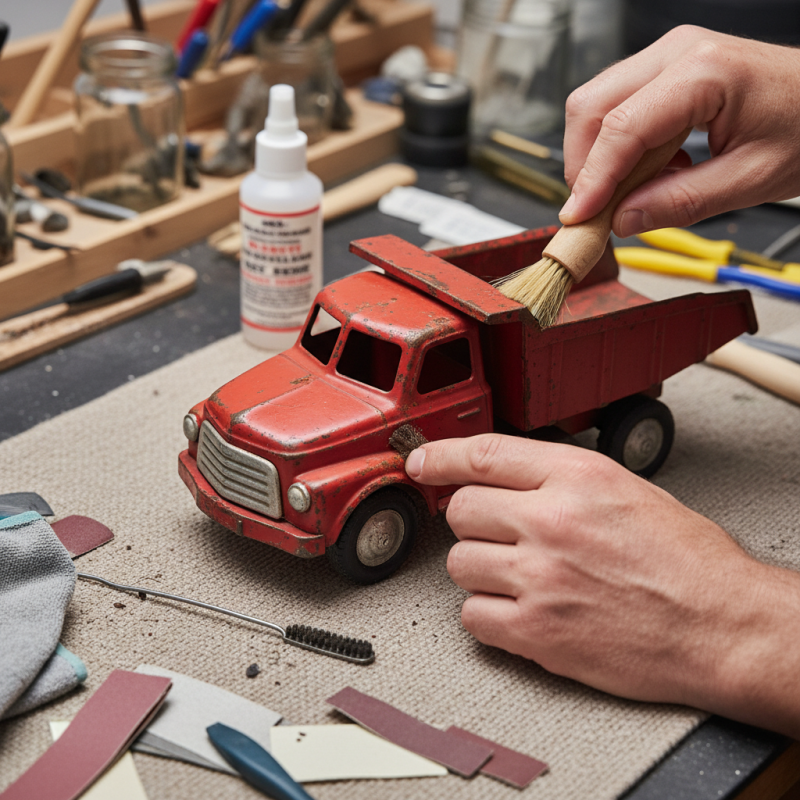
Rust is a common issue on metal toy trucks. Understanding how rust forms can aid in effective removal. Metal surfaces, when exposed to moisture and oxygen, undergo oxidation. This reaction leads to the formation of rust, compromising the structural integrity of the toy. According to the Corrosion Technology Association, around 25% of metal corrosion is attributed to environmental factors like humidity and temperature fluctuations.
Regular play outside can increase exposure to these elements. In fact, a study by the National Institute of Standards and Technology revealed that metal objects left outdoors can develop visible rust within weeks. The high variability in environmental conditions complicates matters. Toys made from lower-quality metals are especially susceptible. Children often overlook small rust patches, allowing the problem to escalate.
The formation of rust is silent but damaging. It often starts as small spots, gradually spreading across the surface. Regular inspection is key. Parents should teach children to check for rust regularly. Effective removal requires proper techniques and tools. Ignoring rust can lead to deeper metal degradation, potentially making the toy unsafe to play with. Rust is more than just a cosmetic issue; it's a sign of wear and neglect that cannot be overlooked.
When tackling rust on metal toy trucks, having the right materials is crucial. Start with a wire brush to loosen the rust. This tool will help reach tight spots and surfaces. You’ll also need sandpaper, specifically coarse grades, to strip away any remaining corrosion. A cloth is essential for wiping away debris after sanding.
Don’t forget a rust remover solution. Many home recipes exist, like a vinegar and baking soda mix. If you prefer store-bought options, make sure they are safe for toys. When working, use gloves and a mask. Protection is key to avoid inhalation or skin irritation. After applying the rust remover, allow time for it to penetrate the rust. Remember, patience matters during the process.
Lastly, consider polish or a rust-inhibiting spray for future protection. These can help maintain the toy's appearance. While removing rust can be satisfying, it can also be challenging. Some trucks may require extra effort, and results may vary. Embrace the imperfections; they tell a story.
Removing rust from metal toy trucks can be a rewarding task. With the right approach, these toys can regain their shine. Start by gathering your supplies. You will need a scrub brush, vinegar, baking soda, and some protective gloves. Prepare a workspace that allows for some mess. Rust removal can be a tricky process.
Apply vinegar to the rusted areas. Let it sit for a few minutes. The acidity helps dissolve the rust. Scrub gently with the brush. You may not see immediate results. In tough spots, apply baking soda. Mix it with water to create a paste. Apply this paste to the rust and let it sit. Rinse thoroughly and dry completely.
Sometimes, rust persists despite your efforts. If this happens, reevaluate your technique. Mixing different methods might yield better results. Patience is important when working on rust. Each truck has its own story, and removing rust takes time. To ensure success, keep the trucks dry after cleaning. Avoid letting moisture linger, as it encourages rust to return.
Preventing rust on metal toy trucks requires attention to detail.
Proper storage is crucial. Keeping these toys in a dry environment helps significantly.
According to industry reports, metal toys stored in humid areas are 70% more likely to develop rust. This moisture promotes corrosion, leading to deterioration over time.
Regular maintenance is essential. A simple cleaning routine can extend the life of these toys.
Using a soft, dry cloth to wipe off dust and debris after each play session is effective. A preventive spray can also be applied.
This spray creates a barrier against moisture, reducing the risk of rust.
Educating children on proper care is important too. Teach them to avoid leaving toys outside after playtime.
Emphasize the importance of keeping metal items dry. Small habits can lead to significant improvements in longevity.
Reflecting on the importance of these practices can foster responsibility in young ones. Remember, preventing rust is easier than dealing with its consequences.
Maintaining metal toy trucks after rust removal requires regular care. According to a study by the Toy Industry Association, 75% of parents overlook upkeep, leading to quicker deterioration. This can be avoided with some simple, effective strategies.
One vital approach is applying a protective coating after rust removal. A thin layer of wax or clear lacquer can work wonders. It shields the metal from moisture and air exposure. This barrier can extend the lifespan of your toy trucks significantly. Regular inspections are also crucial. Look for scratches or signs of rust, even small ones. Address these issues promptly to prevent further damage.
Proper storage is essential, too. Keep the toys in a dry, cool place. Humidity can accelerate rust development. Consider using silica gel packets in storage boxes to absorb excess moisture. Regularly cleaning the trucks can help maintain their appearance. Use a damp cloth and mild soap, avoiding harsh chemicals. These practices can enhance longevity and keep your cherished toys in prime condition.
This bar chart illustrates the effectiveness of various rust removal methods for metal toy trucks, rated on a scale from 1 to 10. Methods like Chemical Rust Remover and Sandblasting show high effectiveness, while methods such as Wire Brush are less effective.
: Rust forms due to oxidation when metal surfaces contact moisture and oxygen.
Humidity and temperature fluctuations contribute to rust formation on metal toys.
Visible rust can develop within weeks if toys are left outdoors regularly.
Rust often starts as small spots and can gradually spread, indicating neglect.
Gather a scrub brush, vinegar, baking soda, and protective gloves for rust removal.
Apply vinegar to rusted areas and let it sit for a few minutes before scrubbing.
If rust remains, reevaluate your methods and try mixing different removal techniques.
Store toys in a dry environment and wipe them clean after each use to deter rust.
Teaching children to care for toys fosters responsibility and helps prevent rust.
Rust symbolizes wear and neglect; addressing it promptly prevents deeper damage.
Rust can develop on metal toy trucks due to moisture and exposure to environmental elements. To effectively address the issue of how to remove rust from a metal toy truck, it's essential to start by understanding the rust formation process. Gather necessary materials such as rust removers, brushes, and protective gear to ensure a smooth removal process.
Begin with a step-by-step approach that involves scrubbing the rusted areas and applying appropriate treatments. Once the rust is removed, focus on preventing future rust by keeping the toys dry and storing them properly. Additionally, regular maintenance can significantly prolong the life of metal toy trucks, ensuring that they remain in excellent condition for play. By following these guidelines, you can preserve your metal toy trucks and keep them rust-free for years to come.

Turbo Truck