Toy trucks are beloved by children, but wobbly wheels can ruin the fun. Have you ever wondered, "How to fix a wobbly toy truck wheel?" Fortunately, it’s a common issue with simple solutions. A loose wheel can lead to frustration during playtime. Understanding the cause is crucial before diving into repairs.
Many factors contribute to wobbling wheels. Wear and tear over time can affect stability. An uneven surface or damaged axle might also be to blame. Assessing your toy truck's condition is vital. It’s essential to determine whether it’s a quick fix or a more extensive repair.
Effective solutions exist that require minimal tools and quick attention. This guide will provide practical steps, ensuring smoother play for your child. Remember, tackling this problem is not just about fixing the wheel; it’s about enhancing the overall experience. Engaging in simple repairs can also teach valuable skills, growing your child’s understanding of toys and mechanics.
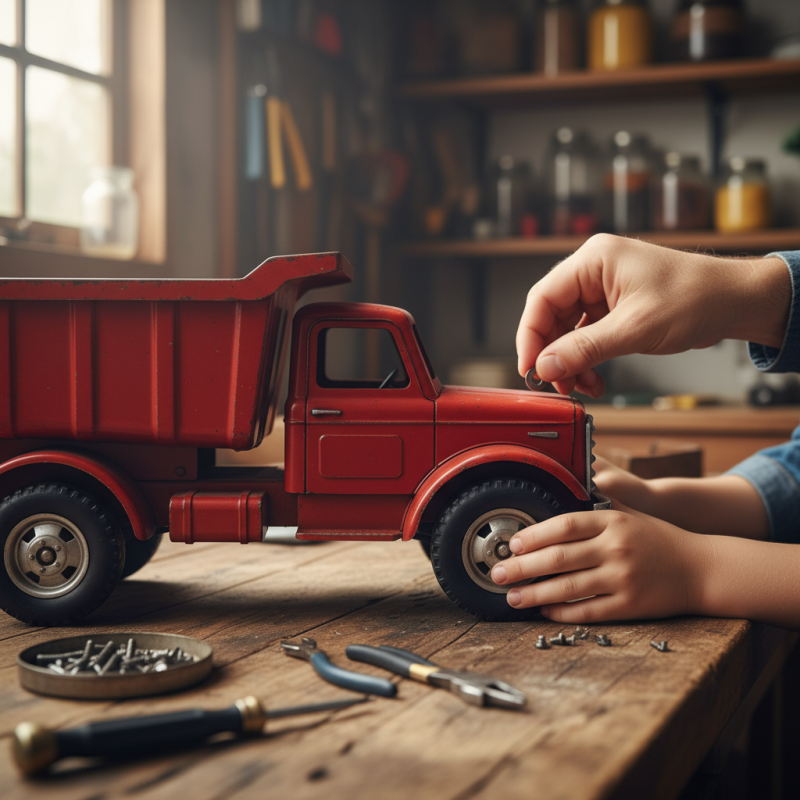
Wobbly toy truck wheels can frustrate both kids and parents. Understanding why this happens can help in fixing it quickly. Several factors contribute to a wobbly wheel. It could be due to dust buildup or loose fittings. Often, kids drop their toys, causing parts to shift out of place. These simple accidents can lead to wobbly wheels.
Additionally, the wheel itself may be damaged. Cracks or deformities can interfere with how the wheel rotates. A toy truck wheel requires a snug fit to function well. When the wheel isn't properly attached, it might wobble during play. Even small manufacturing inconsistencies can lead to problems over time.
It's crucial to be attentive when inspecting the wheel. Look closely for any signs of wear and tear. Feeling frustrated is common, but taking time to assess the issue can make a difference. Sometimes a gentle push or adjustment can resolve the wobbly issue. Remember, toy maintenance is part of keeping playtime fun!
To fix a wobbly toy truck wheel effectively, you'll need several essential tools. A small flathead screwdriver is indispensable for tightening loose screws. This tool helps address the most common issue behind wobbly wheels. Additionally, a pair of pliers can assist in gripping and adjusting parts that are not easily accessible. A small wrench may also be needed for any wheel nuts that require tightening.
Consider using a level to assess how wobbly the wheel truly is. Accurate measurements can guide your repairs. According to a report by the Toy Safety Institute, over 30% of toy complaints relate to loose or misaligned wheels. This highlights the importance of proper maintenance. Keeping a tool kit dedicated to toy repairs can save time and ensure you have what you need on hand.
Moreover, a cleaning cloth is helpful for removing dirt or debris that may cause wheels to wobble. Sometimes, the issue is not just with the wheel but also the axles. Regular checks can prevent future problems. Having a structured approach to toy maintenance increases longevity. Engaging in such repairs can be rewarding and informative, enhancing your skills along the way.
A wobbly toy truck wheel can be frustrating for kids. Fortunately, fixing it is a simple task that requires minimal tools. This guide focuses on tightening the wheel hub, a common cause of instability.
Begin by laying the truck on a flat surface. Check the wheel hub for any loose screws. Sometimes, these screws may be easy to overlook. Use a small screwdriver to gently tighten them. Avoid overtightening as this can cause damage.
If the wheel remains wobbly, the issue might be with the axle. Inspect it closely for bends or breaks.
After you tighten the hub, spin the wheel. Observe any remaining wobble. If the wheel still shakes, consider replacing the wheel itself. Ensure you choose a compatible part. A well-maintained wheel enhances the toy's stability and longevity. Regular checks can prevent future issues. Don't hesitate to revisit this task over time.
Replacing a damaged wheel on a toy truck is a straightforward task. Begin by assessing the wheel's condition. Look for cracks, breaks, or significant wear. If the wheel visibly wobbles, it likely needs replacement. Gather your tools: a small screwdriver and replacement wheels. Many toy stores or online retailers offer suitable options.
Remove the damaged wheel carefully. Loosen the axle screw and slide off the old wheel. It may take some effort if it’s stuck. Once removed, clean the axle. Dirt and debris can cause future issues. After that, align the new wheel with the axle. Ensure it fits securely. Then tighten the screw.
Take a moment to test the new wheel. Spin it gently to check for smoothness. If it still wobbles, review your work. The wheel should turn freely without resistance. Sometimes, using a wheel that’s slightly too big or too small causes problems. Make sure the replacement is an exact match. While the process seems easy, it requires a careful touch. Enjoy watching your toy truck roll again.
Testing the wheel after repairs is crucial for ensuring your toy truck's stability. A wobbly wheel can lead to uneven wear and tear. It might also cause frustrating crashes during playtime. So, let's put your repaired truck through its paces.
Begin by placing the toy truck on a flat surface. Roll it back and forth gently. Observe how smoothly the wheel turns. Does it still wobble? Pay close attention. A slight wobble can lead to bigger issues later. If the wheel feels secure, you may proceed with more rigorous testing. Try to make quick turns or instigate bumps on the surface. Watch how the truck reacts. If it feels unsteady, you may need to revisit your repairs.
Additionally, ask your child for feedback. Their experience can provide valuable insights. Kids notice behavior changes in toys that adults may overlook. If your child expresses concerns about the truck's stability, trust their instincts. Correcting minor issues now can prevent future repairs. Stability is key to prolonging the life of your toy truck, ensuring hours of joyful play.
: Wobbly wheels may result from dust buildup, loose fittings, or parts shifting after drops.
Essential tools include a small flathead screwdriver, pliers, a wrench, and a cleaning cloth.
Using a level can help measure how wobbly the wheel is accurately before repairs.
Yes, even small manufacturing flaws can lead to wobbly wheels over time.
If the wobble persists, check the axle for bends or breaks or consider a wheel replacement.
Regular inspections can prevent future issues and ensure better playtime experiences for kids.
Many overlook the importance of checking wheel screws, leading to wobbliness over time.
No, it's a simple task that can be done with minimal tools and some patience.
Regular cleaning and timely repairs are essential for maintaining the wheel's functionality.
Yes, it's okay to feel frustrated. Taking a moment to breathe helps improve focus on the issue.
In the article titled "How to Fix a Wobbly Toy Truck Wheel Easily?", the process of stabilizing a wobbly toy truck wheel is thoroughly examined. The article begins by delving into the common causes of a wobbly wheel, which can range from loose components to damaged parts. It stresses the importance of having the essential tools on hand, such as a wrench or screwdriver, to facilitate repairs.
Following this, a step-by-step guide on tightening the wheel hub is provided, ensuring that users can effectively secure the wheel. If the wheel is beyond repair, instructions on how to replace a damaged wheel are also detailed. Finally, the article emphasizes the importance of testing the wheel for stability after repairs to ensure that it is safe and functional. This comprehensive guide effectively answers the question of "How to fix a wobbly toy truck wheel?" and provides practical solutions for toy truck maintenance.

Turbo Truck