Heavy Duty Construction Trucks play a vital role in the construction industry. These trucks are built to withstand the rigors of tough job sites. According to a report by Research and Markets, the global heavy-duty truck market is expected to reach USD 244 billion by 2026. This growth indicates an increasing reliance on these machines for large-scale projects.
These trucks are particularly useful for transporting heavy materials like concrete, steel, and other construction supplies. Their powerful engines and sturdy frames can handle rough terrains. However, not all projects require heavy-duty options. Misjudging the needed specifications can lead to inefficiencies.
Some operators might underestimate the importance of proper maintenance. A poorly maintained truck can result in delays and added costs. Despite their robust design, heavy-duty trucks need regular check-ups to ensure safety and efficiency. It's crucial to reflect on the impact of their reliability on overall project success.
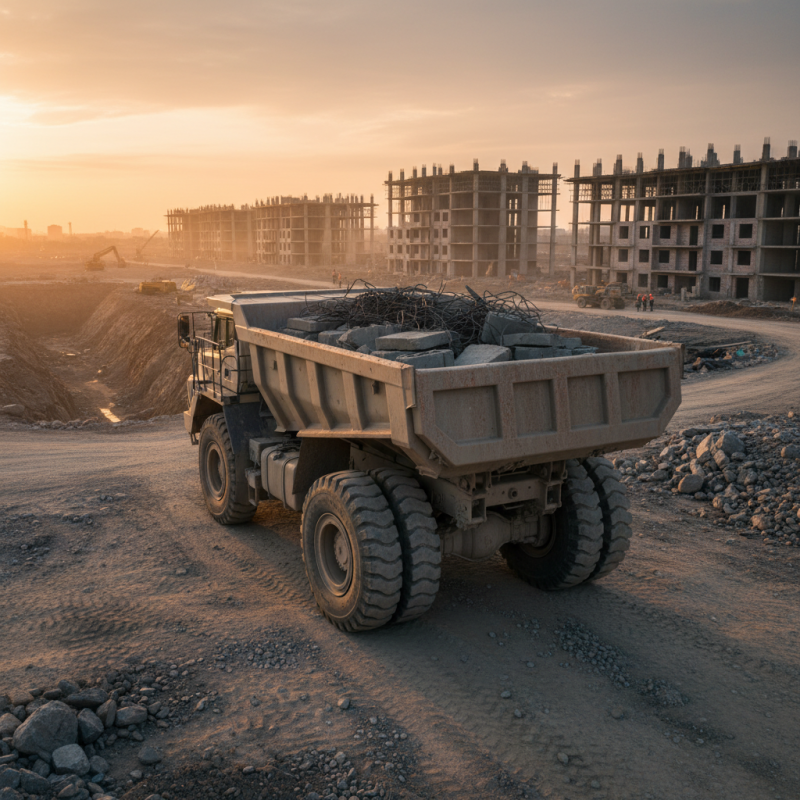
Heavy duty construction trucks are pivotal in the construction industry. These trucks are defined by their capacity to handle large loads and operate in rugged conditions. Typically, they have a Gross Vehicle Weight Rating (GVWR) exceeding 26,000 pounds. They often feature reinforced frames, powerful engines, and advanced suspension systems. A report from the Construction Equipment Association indicates that heavy trucks account for over 40% of machinery used on construction sites.
The strength of these trucks allows them to serve multiple purposes. They are used for transporting materials like concrete, sand, and gravel. They can also tow heavy equipment. Additionally, their durable design aids in moving large machinery from one site to another. However, their size can lead to limitations. Maneuvering in tight spaces can be a challenge. Operators must have adequate training to ensure safety and efficiency.
Despite their robust capabilities, maintenance is crucial. Neglecting regular checks can lead to significant downtime. According to a study by the National Institute for Occupational Safety and Health, improper maintenance can increase the likelihood of accidents. Owners should reflect on their maintenance practices to enhance reliability and performance. Proper training for operators is equally important, as skill levels directly affect safety.
: Heavy duty construction trucks can handle large loads and operate in rugged conditions. They typically weigh over 26,000 pounds.
They increase payload capacity by over 40%, which reduces transport trips, saving time and fuel costs.
Many accidents involve heavy equipment. Operators may struggle to maneuver in tight spaces or on uneven terrain.
Regular maintenance prevents downtime and reduces the risk of accidents caused by equipment failure.
Electric drivetrains and autonomous features are becoming more common, enhancing efficiency and productivity.
Telematics offers real-time performance data, aiding in maintenance prediction and preventing costly breakdowns.
Dependence on automation raises concerns about technology failures, requiring continuous operator training and skill adaptation.
Their large size can make maneuvering difficult, especially in limited spaces on construction sites.
Adequate operator training is essential to ensure safety and efficiency, reducing the likelihood of accidents.
Owners should assess their maintenance routines to enhance reliability and performance of their heavy duty trucks.
A Heavy Duty Construction Truck is an essential vehicle in the construction industry, characterized by its robust design and high performance. These trucks are defined by key specifications such as powerful engines and significant load capacity, making them capable of handling demanding tasks on construction sites. Their versatility allows them to be utilized in a variety of projects, from transporting heavy materials to assisting in excavation and site preparation.
The impact of Heavy Duty Construction Trucks on construction efficiency and safety cannot be overstated. By enhancing productivity and reducing manual labor, these trucks streamline operations and mitigate hazards associated with traditional construction methods. Looking to the future, advancements in technology and innovative designs are set to further improve the capabilities of Heavy Duty Construction Trucks, leading to safer and more efficient construction practices.

 Turbo Truck