When considering playtime options for toddlers, safety is always a primary concern. The classic metal toy truck has been a favorite among children for generations. Yet, one critical question arises: “Are metal toy trucks safe for toddlers?” Dr. Sarah Thompson, a child safety expert, emphasizes, “While metal toys can be durable, we must consider the potential hazards they may pose to young children.”
The appeal of metal toy trucks lies in their sturdiness and nostalgic charm. However, they can also present risks. Sharp edges, heavy weight, and smaller parts can lead to injuries. Parents need to weigh the benefits against potential dangers. Safe play should always be the goal, and it’s important to scrutinize each toy's design and materials.
Ultimately, the choice of toys should prioritize safety without sacrificing enjoyment. Each playtime experience should promote healthy development while ensuring children are safe. As we navigate this decision, it’s vital to ask, “Are metal toy trucks safe for toddlers?” Exploring expert opinions and safety standards will guide us toward the best choices for our little ones.
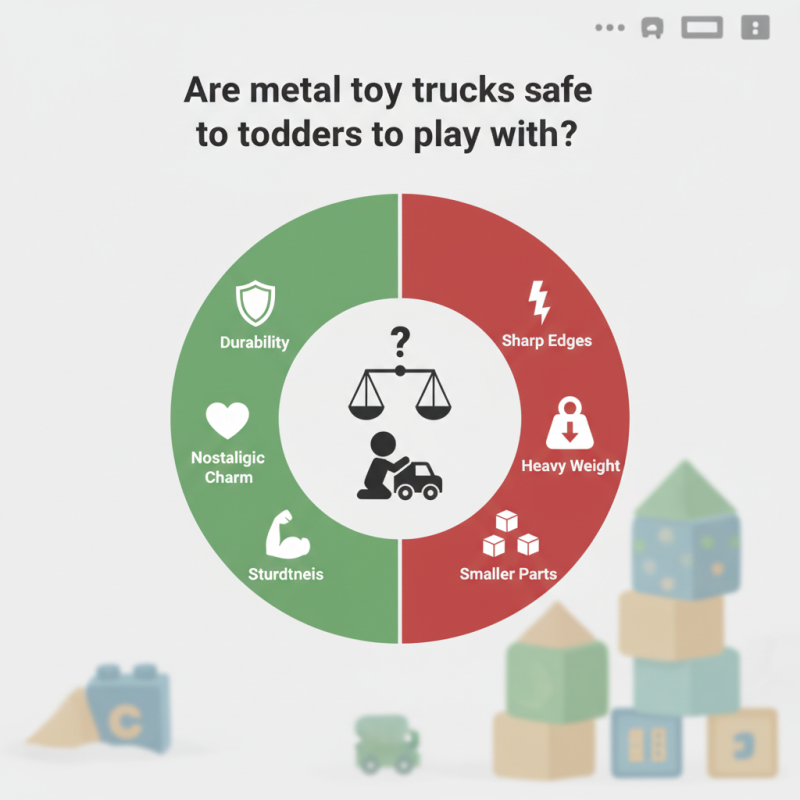
When it comes to toddlers, safety is always a priority. Metal toy trucks can be fun and durable, but safety standards must be considered. Various organizations set guidelines to ensure these toys are safe for young children. For instance, metal toys should have no sharp edges or small detachable parts. These features can pose choking hazards or cause injuries.
Parents should frequently check the condition of their child's metal toy trucks. Even small dents or rust can create risks. Choosing non-toxic paint and finishes is essential as toddlers often explore the world through taste. Inspecting toys regularly and removing any damaged elements will help maintain a safe play environment.
Tips: Always supervise toddlers during playtime. Ensure that they play in a clean area where toys can be easily observed. Teach them the importance of taking care of their toys, fostering a sense of responsibility. Engaging in conversations about safety can help them learn and appreciate safe play practices.
| Safety Standard | Description | Age Group | Material Safety | Choking Hazard Warning |
|---|---|---|---|---|
| ASTM F963 | Standard Consumer Safety Specification for Toy Safety | Under 3 years | Non-toxic paints and coatings | Yes, small parts risk |
| CPSC Regulations | Guidelines to ensure toys are safe for children | 3 years and older | Lead-free materials | No identified choking hazards |
| ISO 8124 | International safety standard for toys | Under 3 years | Safe materials free from harmful chemicals | Yes, avoid for toddlers |
| EN71 | European standard for toy safety | 3 years and older | Materials comply with EU chemical regulations | No, large enough to avoid choking |
: Metal toy trucks can have sharp edges, posing risks of cuts and bruises. They can also be heavy, increasing injury risks.
Many metal trucks have small parts that can detach. Younger toddlers might put these parts in their mouths, leading to choking.
Heavier toys can cause toddlers to trip or fall if dropped. This increases the chances of injury during playtime.
Parents should closely supervise play, check recalls, and regularly inspect toys for wear. Awareness of toy quality is essential.
Plastic trucks often have rounded edges and are lighter. However, they may contain harmful chemicals that raise safety concerns.
Regularly inspecting toys is crucial. Wear and tear can introduce hidden dangers, even in well-liked toys.
Yes, even toys selected with care may hide safety risks. Parents must remain vigilant and thoughtful about toy selection.
Balancing durability and safety is vital. Careful consideration of materials can prevent injuries and health issues.
In exploring the question, "Are metal toy trucks safe for toddlers?", it is crucial to understand the safety standards that govern these toys. While metal toy trucks often meet specific safety criteria, they can still present potential hazards, such as sharp edges or heavier weights, which might pose risks to young children. A comparison between metal and plastic toy trucks reveals that while both materials have their advantages, plastic toys may provide a safer alternative due to their lightweight and softer structures.
When selecting metal toy trucks for toddlers, it is essential to choose those that adhere to relevant safety standards and are free from small parts that could be choking hazards. Regular supervision during play and maintenance checks for any wear and tear are also vital to ensure a safe playing environment. By being mindful of these factors, caregivers can make informed decisions regarding the safety of metal toy trucks for toddlers.

 Turbo Truck