Can you recycle broken plastic toy trucks? This question raises important concerns about waste management. Many parents feel guilty when their child's favorite toy breaks. The dilemma often centers on what to do next. Disposing of these toys in landfills is an easy option, but is it truly the best solution?
Plastic toy trucks, like many toys, contain various materials. These materials can complicate the recycling process. While some parts may be recyclable, others might end up contributing to environmental pollution. Recycling systems vary by location, and not all facilities accept this type of plastic. Therefore, the answer to the recycling question isn't straightforward.
Understanding how broken plastic toy trucks can be effectively recycled is crucial. Some communities have special programs or events for recycling toys. However, many lack the infrastructure. This reflects a larger issue in waste management. Parents must weigh options and consider sustainable practices. The challenge highlights the need for better recycling awareness and facilities.
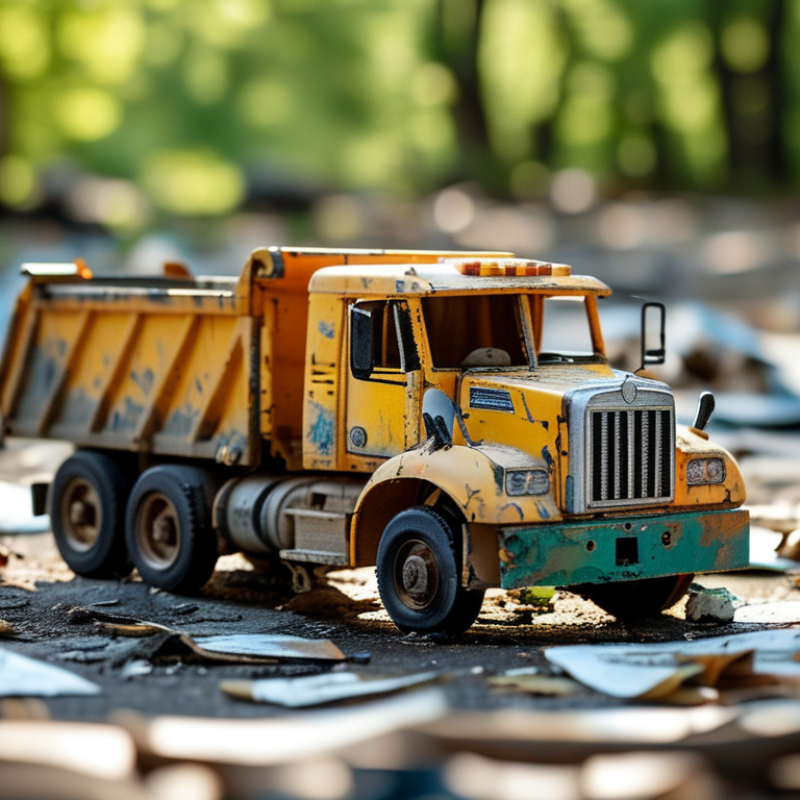
Plastic toy trucks can often end up in landfills. Understanding their composition is essential for effective recycling. Most plastic toys are made from various types of plastics, such as polyethylene (PE) and polypropylene (PP). According to a report by the American Chemistry Council, less than 30% of plastic toys are recycled in the United States. The challenge lies in the mixed materials which complicate recycling processes.
Many plastic toy trucks contain metal parts, paint, or electronic components. These materials can hinder the recycling process and lead to contamination. A study by the Plastic Recycling Corporation highlighted that toys made of more than one type of plastic are often not accepted in conventional recycling programs. This limits their effective recycling and raises environmental concerns.
Tips: Always check local recycling guidelines. Some facilities may accept specific types of plastics. Additionally, consider donating or repurposing toys before tossing them out. Educating children about the value of recycling can also instill good habits early on. Remember, even small actions can lead to significant change.
Recycling broken plastic toy trucks presents unique challenges. According to a 2022 report by the American Association of Plastics Recyclers, only 9% of plastic waste is effectively recycled. Toys are often made from mixed plastics, making them difficult to process. Separating these materials requires advanced technology, which is limited in many recycling facilities.
Moreover, the presence of non-recyclable components, such as electronics or metal parts, complicates the recycling process. Industry data suggests that about 80% of broken toys end up in landfills. This is concerning because plastic can take hundreds of years to decompose. The inconsistency in recycling infrastructure adds another layer of difficulty. For instance, regions may have different capabilities and regulations regarding plastic recycling.
Tips for eco-friendly disposal: Consider donating intact toys or repairing them if possible. For broken items, look for specialized programs that focus on recycling toys. Always check local guidelines to understand what materials can be recycled. Every small step counts in reducing plastic waste. A mindful approach is vital in managing discarded toys.
Plastic toy trucks are common in many households, but what happens to them when they break? Recycling these toys is often more complicated than it seems. Current recycling methods for plastic toy trucks usually rely on traditional plastic processing techniques. Many recycling facilities accept toys made from certain plastics, but recycling rates remain relatively low.
One challenge is the mixed materials in toy trucks. Often, these toys combine various types of plastics and metals. This complexity makes it hard to recycle them effectively. Facilities may be unable to separate the materials properly, leading to a high rejection rate. Furthermore, some truck designs include electronic components. These are not recyclable through standard methods.
To improve the situation, public awareness is vital. People need to understand what can and cannot be recycled. Community-based programs can play a crucial role in this education. In addition, manufacturers could focus on creating toys from a single type of plastic to enhance recyclability. Reflecting on these issues can help us find better solutions for recycling broken plastic toy trucks in the future.
Improper disposal of plastic toys has significant environmental consequences. Broken plastic toy trucks often find their way into landfills. Once there, they can take hundreds of years to decompose. This slow breakdown releases harmful chemicals into the soil and water. Toxic substances can seep into local ecosystems, affecting wildlife and plant life.
Many parents are unaware of the alternatives for recycling these toys. Often, they simply throw them away without considering the impact. Local recycling programs may accept certain types of plastic, but toys remain a gray area. Many plastics, especially those from cheaper toys, are not recyclable. This generates a growing pile of waste and pollution.
It’s crucial to rethink how we handle broken toys. Repairing them can prolong their life and reduce waste. Local initiatives often encourage sharing or donating toys in good condition. Awareness of proper disposal options fosters better recycling habits in communities. Every small step contributes to a healthier environment.
The disposal of broken plastic toys, especially trucks, poses a challenge. Traditional recycling methods often fail. Many of these toys are made of mixed plastics, making them hard to process. Even if they can be recycled, the outcome may not be environmentally friendly. This creates a need for innovative solutions.
One effective approach is to break down the plastic into reusable materials. Some companies are experimenting with shredding and re-molding. They transform discarded toys into new products, like playground surfaces or furniture. This repurposing not only minimizes waste but also supports a circular economy. Moreover, community workshops are emerging, teaching families how to repair or upcycle these toys creatively.
However, not all solutions are perfect. Some methods involve energy-intensive processes that could negate their benefits. Additionally, public awareness about toy recycling is still low. Many parents are unaware of these options. Encouraging education and community involvement can lead to better practices, but it requires time and effort. Exploring these solutions shows promise but also highlights gaps in current systems.
: Plastic toy trucks are typically made from polyethylene and polypropylene.
Recycling is complex due to mixed materials like plastics, metals, and electronics.
Less than 30% of plastic toys are recycled in the U.S.
About 80% of broken toys are discarded in landfills.
Plastic can take hundreds of years to decompose fully.
Consider donating or repairing intact toys. For broken ones, check for recycling programs.
Teach children the value of recycling through discussions and hands-on activities.
No, many recycling facilities do not accept toys made from multiple plastic types.
Regional variations in capabilities and guidelines create inconsistencies in recycling efforts.
Even small steps, like proper disposal or repair, can significantly reduce plastic waste.
The article "Can Broken Plastic Toy Trucks Be Recycled Effectively?" explores the complexities surrounding the recycling of plastic toy trucks. It begins by analyzing the materials used in these toys, highlighting that their composition often complicates recycling efforts. The challenges are significant, as many recycling facilities are not equipped to handle mixed plastics or small-sized items like broken toys. Although some current recycling methods exist, their effectiveness is often limited, leading to an environmental crisis of improperly discarded plastic toys.
Addressing the question, "Can you recycle broken plastic toy trucks?" the article emphasizes the need for innovative solutions that promote sustainable disposal methods. It advocates for more comprehensive recycling programs and consumer awareness to ensure that these toys do not contribute to plastic pollution. In conclusion, the article calls for collaborative efforts between manufacturers, recyclers, and consumers to enhance recycling capabilities for broken plastic toy trucks, reducing their ecological impact.

Turbo Truck