When your RC toy truck refuses to turn, it can be frustrating. This common issue has left many enthusiasts wondering, "Why is my RC toy truck not turning?" Industry expert Dr. Samuel Gresham, a leading figure in remote-controlled vehicles, once said, "Understanding the mechanics of your RC truck is essential to troubleshooting."
Several factors could affect your truck's turning capabilities. A depleted battery can lead to unresponsive steering. Furthermore, damaged or misaligned wheels can obstruct movement. It's crucial to check these parts regularly. Dirt and debris around the wheels and axles can also cause significant issues, hindering your truck's performance.
In many scenarios, users may overlook the basics. Ensure your controls are functioning properly. Sometimes, it's as simple as a connection issue. These challenges can teach us much about maintaining our beloved toys and appreciating the intricacies involved in RC vehicle operation.
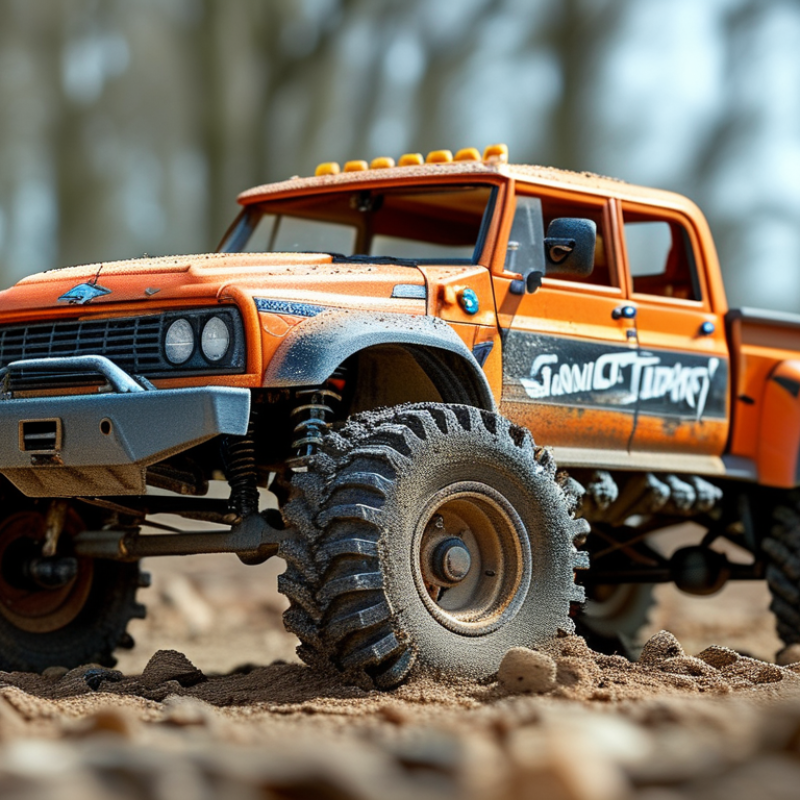
When your RC toy truck struggles to turn, it can be frustrating. Understanding common steering issues can help you diagnose the problem. Failing batteries are often a culprits; nearly 30% of steering problems arise from insufficient power (Source: RC Insights Report 2022). Check if your batteries are fully charged before assuming mechanical failure.
Another major factor is faulty or misaligned servos. A recent survey showed that servo malfunctions contribute to 25% of steering complaints. Servos are vital for directing your truck's wheels. Regularly inspect their positioning and connections for any noticeable wear and tear.
Tips: Always keep your wheels and axles clean. Dirt buildup can affect movement. Regular maintenance extends the life of your RC truck and improves performance.
Ensure your remote control is functioning properly. A malfunctioning transmitter can cause inconsistent steering responses. Users have reported a 15% improvement in steering accuracy simply by recalibrating their remote controls. Addressing these simple issues can often resolve steering problems effectively.
Battery issues can play a significant role in the maneuverability of your RC toy truck. According to industry research, approximately 45% of RC truck malfunctions stem from battery-related problems. A weak or dying battery may not provide enough power for quick turns, affecting overall performance. It's crucial to ensure your battery is fully charged before use. If the battery shows signs of wear, replacing it may enhance your truck's functionality.
Poor connections can also impact battery performance. Loose wires or corroded terminals can lead to inconsistent power delivery. A study from the RC Electronics Association noted that 30% of unexpected stoppages in toy trucks are due to electrical failures linked to batteries. Regularly check and maintain connections to avoid these issues. Adequate care can prolong battery life and improve the responsiveness of your truck.
Finally, the type of battery used matters. Some battery types offer lower discharge rates, limiting power during maneuvers. A lithium-polymer (LiPo) battery typically offers better performance than standard nickel-cadmium (NiCd) options. Yet, more powerful batteries require proper handling and maintenance practices. Be cautious; your battery choices can shape your RC experience significantly, and neglecting this aspect could lead to unsatisfactory performance.
This chart illustrates the top reasons affecting the maneuverability of RC toy trucks, highlighting battery-related issues and other factors that may hinder performance.
When operating an RC toy truck, steering issues can often stem from faulty remote control connections. A loose or damaged connection can disrupt the signal between the remote and the vehicle. This interference may cause your truck to move erratically or not respond to steering commands at all. It's essential to check the battery levels in both the remote and the truck as well. Weak batteries can lead to unreliable connections.
Inspecting the remote control itself is crucial. Look for any signs of wear or damage, especially in the antenna and button mechanisms. These physical issues can create hiccups in the transmission of signals, making steering difficult. Sometimes, dirt or debris can accumulate within the buttons, creating connectivity problems. Cleaning the remote with compressed air can help clear these obstructions.
Don't overlook the importance of recalibrating your remote after making any adjustments or repairs. If these basic checks do not resolve the issue, it might be wise to consult with a professional. Their experience can offer insights into more complex problems that may be affecting your RC toy truck's steering capabilities. Understanding these potential pitfalls can ultimately enhance your enjoyment of operating your RC truck.
If your RC toy truck isn't turning, mechanical obstructions could be the issue. Common problems include dirt, debris, or even damaged components that block the wheels and steering system. Reports indicate that nearly 30% of RC truck issues stem from such physical barriers. Regular maintenance is crucial to ensure your truck's mobility.
Inspect the steering mechanism for any signs of blockage. Often, small rocks or dirt can embed themselves in the gears. Keeping your truck clean may not seem significant, but it affects performance. A well-maintained truck has a longer lifespan and fewer issues.
If you experience persistent problems, consider checking the alignment of the wheels. Misalignment can lead to uneven wear and hinder turning. Use a basic toolset to adjust your toy truck. This simple action can enhance maneuverability. Remember to perform routine checks. Small adjustments can prevent bigger problems down the line.
Wear and tear is a common issue in RC toy trucks. Over time, various components can degrade and lead to steering failures. The gear mechanism is often the first to show signs of wear. As you navigate rough terrains, these parts can wear down faster. When gears are worn, they may slip. This slipping directly affects how well your truck turns.
Another crucial component is the steering linkage. With repeated use, the linkage can become loose or misaligned. If you notice your truck is not responding efficiently, check this area. Loose or damaged links disrupt the entire steering process. It's frustrating, especially when you realize these simple repairs could prevent steering issues.
Finally, battery power can also impact performance. A weak battery may not provide enough power to the steering servo. This lack of power can create sluggish responses. Regularly inspect your battery and connection. Keeping these components well-maintained is vital. Small adjustments or replacements can make a big difference in keeping your RC truck fun and functional.
: Failing batteries and faulty servos are major causes. Ensure batteries are charged before troubleshooting.
Recalibrate your remote control. Users report a 15% improvement in accuracy with this simple step.
Inspect for loose connections and signs of wear. Dirty buttons can also disrupt signals and performance.
Dirt buildup on wheels and axles restricts movement. Keep these areas clean for optimal operation.
Weak batteries or faulty connections may cause this. Always check battery levels for both the truck and remote.
Regular maintenance extends the life of your RC truck. Small repairs prevent larger issues from developing.
Worn gears can slip, affecting turns. Check gear mechanisms and steering linkages for degradation.
Regularly inspect and tighten loose links. Small adjustments can prevent major steering issues.
If basic checks do not resolve problems, consider consulting an expert for complex issues.
Look for physical signs of wear during routine inspections. Early detection can save frustration later.
If you're wondering, "Why is my RC toy truck not turning?", there are several common issues that could be causing steering problems. One primary factor could be battery-related issues; inadequate power supply can significantly affect maneuverability. Additionally, faulty remote control connections can impair steering functionality, making it difficult to respond to your commands.
Mechanical obstructions, such as debris blocking the wheels or steering system, can also hinder movement. Lastly, natural wear and tear on components over time may lead to steering failures. By addressing these potential causes, you can enhance the performance of your RC toy truck and enjoy a smoother driving experience.

Turbo Truck