Toy truck prices in 2026 will reflect more than size, color, or packaging. Parents may see a $12 plastic dump truck beside a $65 licensed construction vehicle. The difference often hides inside the product. Materials, engineering, safety testing, branding, distribution, and battery systems can all raise the shelf price.
So, Why are some toy trucks more expensive than others? Circana’s U.S. toy industry tracking reports show that licensed toys and innovation-led products generally command stronger prices than basic, unlicensed items. The Toy Association’s annual industry research also highlights rising attention to durability, developmental value, and responsible materials. These factors matter when comparing a small truck with soft wheels against one featuring metal parts, working lights, sound effects, or remote control technology. Still, a higher price does not automatically prove better quality. That assumption deserves scrutiny.
Chris Byrne, a longtime toy industry analyst known as The Toy Guy, has said, “Toys are the tools of childhood.” His point helps explain why parents should examine play value, not only appearance. A sturdy truck that survives a concrete driveway may offer better value than a cheaper model with brittle axles. Deloitte consumer research also shows that shoppers remain highly sensitive to household budgets, even when they value trusted brands and meaningful features. In this guide, we compare toy truck prices through construction, licensing, safety, performance, and long-term use. Some conclusions remain imperfect. Retail discounts change quickly, and online reviews can exaggerate small differences. Careful comparison still beats a shiny box.
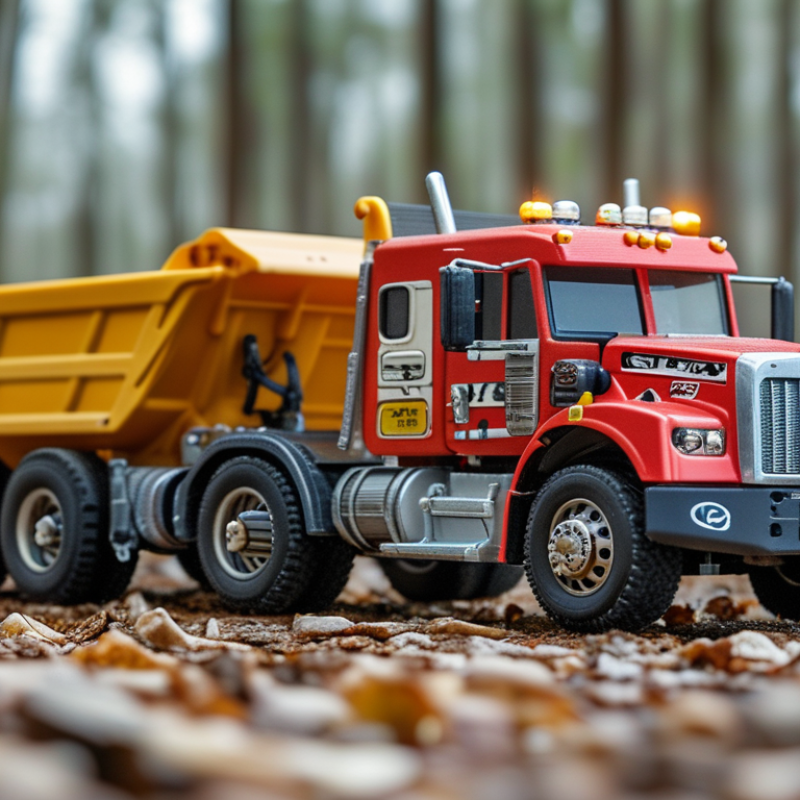
Toy truck prices begin with what buyers are actually paying for. A simple molded vehicle may cost $8–$15, while a remote-controlled model can exceed $40. That gap reflects motors, batteries, controls, stronger axles, and extra testing. Size matters, but it is not the whole story. Materials, assembly, packaging, shipping, and retailer margins also shape the shelf price. Circana’s 2023 U.S. toy review recorded $28.6 billion in sales, down 8% year over year. That pressure can encourage discounts, but low prices do not always mean good value.
Compare like with like. Check scale, moving parts, battery needs, warranty terms, and replacement availability. The Toy Association’s 2024 industry outlook emphasizes value, durability, and meaningful play. Safety guidance from the U.S. Consumer Product Safety Commission highlights age labels, small-part risks, and secure battery compartments. These details cost money, yet they protect usability. I once chose the cheapest truck for a classroom activity. Its thin wheels failed quickly. That experience changed my view. Still, durability claims need evidence, not attractive packaging.
Tips: Record the full checkout cost, including batteries and delivery. Compare weight and dimensions. Read independent reviews. Test the toy mentally on carpet, tile, or outdoor ground. A low price can be sensible. Sometimes, it is simply a warning.
How to Compare Toy Truck Prices in 2026: Why Some Cost More?
Toy truck prices often reflect materials, engineering, and production quality rather than appearance alone. A basic plastic truck may use thin panels and simple wheels. A higher-priced model may include reinforced axles, rubber tires, working lights, or remote controls. These features require extra parts and assembly time. Details matter.
Scale also affects cost. Larger trucks need more plastic, stronger packaging, and higher shipping expenses. Metal components usually add durability, but they can increase the retail price noticeably. Safety testing, age labeling, and non-toxic materials also influence production costs. Reliable sellers should provide clear measurements, material details, and battery information.
I compare trucks by checking wheel movement, joint strength, and surface finishing. A smooth steering mechanism often feels better during play. However, a glossy body does not guarantee long-term value. I once paid more for a detailed truck that had weak axles. That mistake changed how I judge quality.
Limited production can raise prices, especially when a model includes unusual colors or detailed accessories. Yet scarcity is not proof of superior construction. Packaging design may also inflate the price without improving play value. In 2026, compare the truck’s features, expected lifespan, warranty terms, and shipping cost together. A cheaper model can be sensible for younger children, while a sturdier design may suit frequent outdoor use. Price alone can mislead.
Typical United States retail price ranges in 2026, compared by toy-truck type, construction, features, and expected play value.
| Toy Truck Category | Typical Scale or Size | Main Materials | Common Features | Typical 2026 Retail Price | Why the Price Changes | Best Value Indicator |
|---|---|---|---|---|---|---|
| Basic Push-Along Truck | 10–18 cm long | Molded plastic with simple metal axles | Free-rolling wheels, basic cab and cargo bed | $5–$15 | Smaller size, fewer moving parts, simpler packaging, and lower material use keep the price low. | Durable wheels and securely attached parts |
| Die-Cast Metal Truck | 8–20 cm long; commonly 1:64 to 1:43 scale | Die-cast zinc alloy with plastic details | Metal body, detailed exterior, rolling wheels, opening parts on some models | $8–$25 | Metal content, tooling detail, paint quality, scale accuracy, and moving components increase production cost. | A strong metal body with smooth, aligned axles |
| Large Plastic Construction Truck | 25–45 cm long | Thick molded plastic and rubber or plastic wheels | Tilting dump bed, working loader, excavator arm, or rotating cab | $15–$40 | Larger molds, reinforced joints, heavier shipping weight, and multiple articulated parts raise the price. | Strong hinges and a functional load mechanism |
| Remote-Controlled Toy Truck | 20–45 cm long; commonly 1:18 to 1:12 scale | Plastic body, electronic components, rubber or textured plastic tires | Forward and reverse drive, steering, handheld controller, rechargeable or replaceable battery | $25–$90 | Motors, radio controls, batteries, steering systems, and replacement-part availability have the greatest effect on price. | Proportional steering, reliable range, and replaceable batteries |
| Motorized Ride-On Truck | 80–130 cm long | Heavy-duty molded plastic, steel axle components, rubber or plastic tires | Low-speed motor, rechargeable battery, seat, steering wheel, and safety features | $120–$350 | Battery capacity, motor power, weight limit, charging system, safety controls, and shipping size make these substantially more expensive. | A suitable weight rating, stable steering, and dependable battery protection |
| Wooden Pull-Along Truck | 15–30 cm long | Solid wood, plywood, water-based paint, and metal or wooden wheels | Pull cord, simple moving wheels, natural finish, and low-complexity design | $20–$55 | Wood thickness, hand-finishing, rounded edges, paint safety testing, and assembly labor affect the final price. | Smooth edges, non-toxic finish, and a firmly attached pull cord |
| Modular or Buildable Truck Set | 15–35 cm assembled length | Interlocking plastic components, small metal fasteners, and accessories | Build-and-rebuild parts, interchangeable tools, figures, ramps, or cargo pieces | $25–$80 | The number of pieces, engineering complexity, accessory count, and storage packaging are the main cost drivers. | A high number of compatible builds per dollar |
| Interactive Electronic Truck | 20–35 cm long | Plastic shell, electronic circuit board, speaker, lights, and sensors | Lights, sounds, buttons, motion sensors, recorded phrases, or automatic movement | $30–$85 | Sound modules, sensors, software, batteries, and electronic safety testing add cost beyond the physical truck. | Replaceable batteries, durable controls, and a clear volume setting |
| Collector-Grade Scale Truck | 20–50 cm long; commonly 1:24 to 1:12 scale | Die-cast metal, engineered plastic, rubber tires, and fine detailing | High-accuracy proportions, detailed interior, movable parts, display packaging | $45–$180 | Limited production runs, specialized molds, precision painting, realistic interiors, and display-quality packaging increase the price. | Detail accuracy, material quality, and documented scale consistency |
Prices are typical retail ranges in United States dollars and can vary by size, materials, safety testing, battery inclusion, accessories, seasonal discounts, import costs, and shipping dimensions.
How to Compare Toy Truck Prices in 2026: Why Some Cost More?
In 2026, toy truck prices vary because materials, features, size, and brand value differ. A sturdy truck usually uses thick, impact-resistant plastic or metal parts. Check the axle, wheels, and joints carefully. Loose connections can become expensive problems later. I once chose a cheaper model with thin wheels. It looked fine online, but it struggled on carpet. That mistake changed how I compare value.
Features also influence the price. Remote control, working lights, sound effects, suspension, and movable parts add manufacturing costs. However, more features do not always mean better play. A simple truck may provide longer, less frustrating use. Size matters too. Larger models need more material and stronger packaging, while compact trucks may offer easier storage. Brand value can reflect quality control, design experience, and customer support. Still, reputation alone should not replace evidence.
Tips: Compare the same material and size first. Then check feature quality, not feature quantity. Read several verified reviews and look for repeated comments about broken wheels or weak controls. Examine close-up photos when shopping online. Consider repairability and spare parts. I sometimes overvalue appearance, so I now set a practical budget before browsing. Price comparisons are imperfect, but a written checklist makes them more reliable.
Typical 2026 retail price points rise as toy trucks use more durable materials, include more interactive features, become larger, and offer stronger generic market positioning. Prices are approximate reference values for comparison and exclude taxes and shipping.
Start with independent price trackers, major online marketplaces, local toy stores, and secondhand listings. Check at least three sources on the same day. Prices can change quickly. Circana’s 2024 U.S. toy industry data valued the traditional toy market at about $28.6 billion in 2023, while unit sales weakened. That pressure encourages aggressive promotions. A low price may reflect older stock, fewer accessories, or a smaller truck than expected.
Read the full product details, not only the large discount label. Compare wheel size, materials, remote-control functions, battery costs, shipping, taxes, and return terms.
A truck marked “60% off” may use an inflated reference price. The Federal Trade Commission warns that advertised savings should be based on a genuine former price, not a temporary or imaginary number.
Look for price history when available, seller ratings, clear photographs, and reviews mentioning packaging, durability, and missing parts. The Toy Association’s 2024 industry snapshot also emphasizes safety and age-appropriate design as key buying factors. That matters more than a bright “deal” badge.
Check the small print. I still find price comparisons imperfect, because bundled batteries or shipping fees can distort the final cost.
A simple spreadsheet helps: record the total checkout price, included parts, warranty, and delivery date. Then compare like with like.
Choosing the best toy truck in 2026 starts with your child’s play habits, not the lowest price. A small push truck may cost less and suit indoor play. A remote-controlled model usually costs more because it needs electronics, batteries, and stronger controls. Check the recommended age, truck size, material, and wheel design. These details affect value.
I compare the full cost before buying. Add batteries, replacement parts, delivery fees, and possible repair costs. A truck priced at 25 dollars may become expensive after repeated battery purchases. Look for thick plastic, secure wheel fittings, rounded edges, and a remote that feels simple to operate. Independent customer reviews can reveal weak axles or short battery life. Product specifications should confirm these claims.
Test the truck on the floor where it will be used. Carpet, wooden floors, and outdoor paths create different demands. I once chose a larger model because it looked tougher, but it was too heavy for a young child to control. That mistake changed my buying method. Now I match weight and speed with the child’s strength. More features are not always better. A durable basic truck may provide longer play than a flashy model with fragile parts. Check the return policy and safety guidance before payment. Some price comparisons still miss the cost of disappointment.
Prices change with materials, size, features, and quality control. Thick plastic, metal axles, and strong joints usually cost more.
Look for thick, impact-resistant plastic and secure metal parts. Check the wheels, axles, and joints closely. Loose parts cause trouble.
No. Lights, sounds, suspension, and remote controls increase costs. A simple truck may offer calmer, longer play.
Check independent price tools, online marketplaces, local stores, and secondhand listings. Compare at least three sources on the same day.
Read the complete listing, not just the large discount label. Check the former price, shipping, taxes, batteries, accessories, and return terms.
Add batteries, delivery fees, replacement parts, and possible repairs. A low checkout price can become expensive later.
Consider age, strength, play space, and floor type. A heavy truck may be difficult for a young child to control.
Examine close-up photos and repeated review comments. Look for weak axles, broken wheels, missing parts, short battery life, and unclear instructions.
No. Larger trucks need more storage and stronger packaging. Compact models may work better indoors, especially on crowded shelves.
Record the total checkout price, included parts, warranty, and delivery date. I still overvalue appearance sometimes. A written checklist helps.
Toy truck prices in 2026 can vary widely because buyers are paying for more than basic play value. Material quality, size, durability, realistic details, moving parts, lights, sounds, remote-control functions, and included accessories all influence the final cost. Why are some toy trucks more expensive than others? In many cases, higher prices reflect stronger construction, more advanced features, safer materials, or greater attention to design and testing, although a high price does not always guarantee better value.
To compare options fairly, shoppers should examine the truck’s materials, dimensions, weight, functions, age suitability, and expected durability instead of focusing only on appearance. Comparing prices across several reputable stores and checking what each package includes can reveal misleading discounts or incomplete deals. Buyers should also consider shipping costs, warranties, replacement parts, and customer feedback. The best toy truck for a budget is one that offers dependable quality and enjoyable features without paying extra for functions the child is unlikely to use.

Turbo Truck