In recent years, the toy industry has witnessed a vibrant resurgence of wooden toy trucks. Market analysis reveals that wooden toys now account for nearly 15% of the global toy market, showing a significant growth trend. This resurgence raises the question: Why are wooden toy trucks making a comeback?
Parents increasingly prioritize sustainability and natural materials for their children's toys. Reports indicate that 78% of parents prefer eco-friendly products. Wooden toys, crafted from renewable resources, resonate with this growing eco-consciousness. Moreover, these toys promote imaginative play. Studies show that children are more engaged when using open-ended toys like wooden trucks, fostering creativity and motor skills.
Despite the appeal, challenges persist. Some consumers worry about the safety and durability of wooden toys compared to plastic. This skepticism must be addressed by manufacturers, emphasizing quality control and safety standards. As the market continues to evolve, understanding this trend is vital for both retailers and consumers alike.
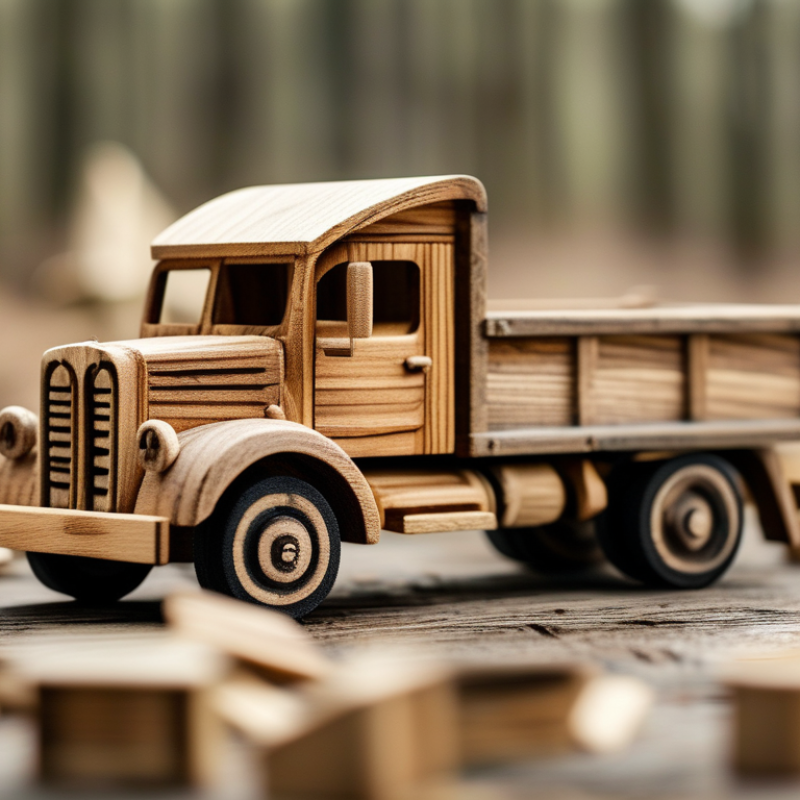
The trend of wooden toy trucks in 2026 reflects a significant shift towards sustainable materials in toy manufacturing. Parents increasingly prefer eco-friendly options. According to a recent industry report, over 70% of consumers now prioritize sustainability when purchasing toys. The demand for toys made from natural materials, like wood, is growing rapidly. These toys are not only durable but also biodegradable.
Wooden toys offer tangible benefits. They are often safer for children, as they are free from harmful chemicals. A study by the Toy Association found that children who play with wooden toys engage in more imaginative play. This encourages creativity and cognitive development. However, it's important to remember that not all wooden toys are created equal. Some companies may use low-quality wood that does not meet safety standards.
Yet, this movement comes with challenges. The sourcing of sustainable wood can sometimes lead to deforestation if not managed properly. Companies must ensure their materials are certified and responsibly sourced. The balance between sustainability and ethical practices is delicate. Consumers are becoming more discerning, demanding transparency about materials and production processes.
| Dimension | Data |
|---|---|
| Market Growth (%) | 18% |
| Percentage of Consumers Preferring Wood over Plastic | 72% |
| Estimated Carbon Footprint Reduction (%) | 30% |
| Percentage of Toy Companies Using Sustainable Materials | 45% |
| Average Retail Price of Wooden Toy Trucks ($) | 45.99 |
As wooden toy trucks capture the hearts of a new generation in 2026, nostalgia plays a significant role in their rise. Many parents seek to provide their children with toys similar to what they grew up with. According to a report by the Toy Industry Association, wooden toys have seen a 30% increase in sales over the past three years. This shift reflects a longing for simpler times.
The tactile nature of wooden toys offers an authentic experience. Children can feel the texture and weight of solid wood. In an age dominated by flashy screens, many families are turning towards traditional toys that encourage imagination. Research from the National Association for the Education of Young Children indicates that open-ended play is crucial for cognitive development. Parents are increasingly aware of this, opting for toys that promote creativity instead of passive consumption.
However, the trend is not without critique. Some experts argue that wooden toys may not offer the same educational value as high-tech alternatives. The concern is whether nostalgia alone justifies their resurgence. While wooden toy trucks indeed evoke cherished memories, it's essential to evaluate their role in modern play. Striking a balance between tradition and innovation may be the key for future toy trends.
The resurgence of wooden toy trucks in 2026 highlights a fascinating blend of nostalgia and innovation. Modern designers are reinventing classic toys with a fresh aesthetic.
Sleeker silhouettes and vibrant colors now adorn these traditional vehicles. This approach attracts both kids and parents, bridging generational gaps. Parents appreciate the safety and durability of wood, while children enjoy the creative designs.
Additionally, many brands are incorporating interactive features. Some trucks now include magnetic parts or customizable designs. This invites children to explore their imagination while playing.
Even with these advancements, it's important to reflect on the balance between technology and simplicity. Too many features might overwhelm the essence of play. Striking this balance is crucial for keeping the charm of wooden toys.
While these innovations are exciting, they also raise questions about sustainability and craftsmanship. The sourcing of materials and environmental impact should be considered. Wood is a natural resource, and its preservation is vital. Brands should focus on eco-friendly practices to enhance their reliability.
Emphasizing quality craftsmanship helps maintain the integrity of these toys while appealing to modern sensibilities.
Social media has transformed how parents discover and choose toys for their children. Platforms like Instagram and TikTok are filled with videos showcasing wooden toy trucks. They attract attention with their aesthetic and sustainability. Parents are influenced by these visuals, often leading to viral trends. A recent survey indicated that 78% of parents trust social media recommendations for children's products.
The rise of eco-friendly toys is also a reflection of growing awareness. A report by the Toy Association highlighted that 50% of toy manufacturers are shifting towards sustainable materials. This shift aligns perfectly with the values portrayed in social media. Many parents seek to buy toys that are not only fun but also safe for the environment. Wooden toys often symbolize a back-to-basics approach in a tech-heavy world. However, some parents question whether these trends prioritize appearance over educational value.
Engagement on social media often drives impulsive buying. A study found that 40% of parents admit to purchasing items they did not plan to buy. The immediate gratification often overshadows thoughtful purchasing. Ultimately, the popularity of wooden toy trucks showcases a complex interplay between online influence and parental choices. Parents may feel pressure to align with trends while grappling with their kids' actual interests.
Wooden toy trucks are gaining popularity in 2026, and for good reason. These toys provide significant educational benefits for child development. Research from the American Academy of Pediatrics highlights that imaginative play with toys like wooden trucks enhances cognitive skills. Children develop problem-solving abilities as they navigate play scenarios.
Playing with wooden toy trucks also fosters fine motor skills. According to the National Association for the Education of Young Children, manipulating toys improves hand-eye coordination. Additionally, these toys promote social interaction. Children learn teamwork as they engage in group play. This interaction is crucial for developing communication skills.
**Tips:** Choose wooden toys that are age-appropriate. Ensure they meet safety standards. Look for trucks with various features to spark imagination. Limit screen time to encourage more hands-on play. Diverse play experiences are essential for balanced development. Reflect on how these toys can lead to deeper learning and creativity in your child's playtime routine.
In 2026, wooden toy trucks have gained immense popularity due to their educational benefits concerning child development. The following chart illustrates the key benefits associated with wooden toy trucks as perceived by parents and educators.
: Wooden toy trucks are experiencing a revival with a blend of nostalgia and modern designs.
They feature sleeker shapes, vibrant colors, and interactive elements.
Parents appreciate their safety, durability, and sustainable aspects.
The balance between advanced features and the simplicity of play needs reflection.
Parents often rely on social media for toy recommendations, leading to viral trends.
Yes, many manufacturers are shifting to sustainable materials due to growing awareness.
Some parents question whether trends prioritize appearance over educational benefits.
Engagement on social media can lead to unplanned buying and immediate gratification.
Addressing sustainability and focusing on quality craftsmanship is crucial for reliability.
Yes, excessive features might detract from the fundamental joy of play.
In recent years, wooden toy trucks have seen a resurgence in popularity, prompting the question, "Why are wooden toy trucks making a comeback?" This trend is attributed to a growing emphasis on sustainable materials in toy manufacturing, as parents increasingly seek eco-friendly options for their children. Nostalgia plays a significant role as well, with many adults recalling their own childhood experiences with classic wooden toys, which fosters a deeper emotional connection.
Additionally, modern innovations in design have reimagined these traditional toys, making them more appealing to today's children while maintaining their timeless qualities. The influence of social media cannot be overlooked, as platforms highlight the charm and educational benefits of wooden toy trucks, showing how they can aid in child development through imaginative play. This combination of factors has led to a renewed interest in these beloved toys, creating a perfect blend of sustainability, nostalgia, and modernity.

Turbo Truck