Turbo Truck
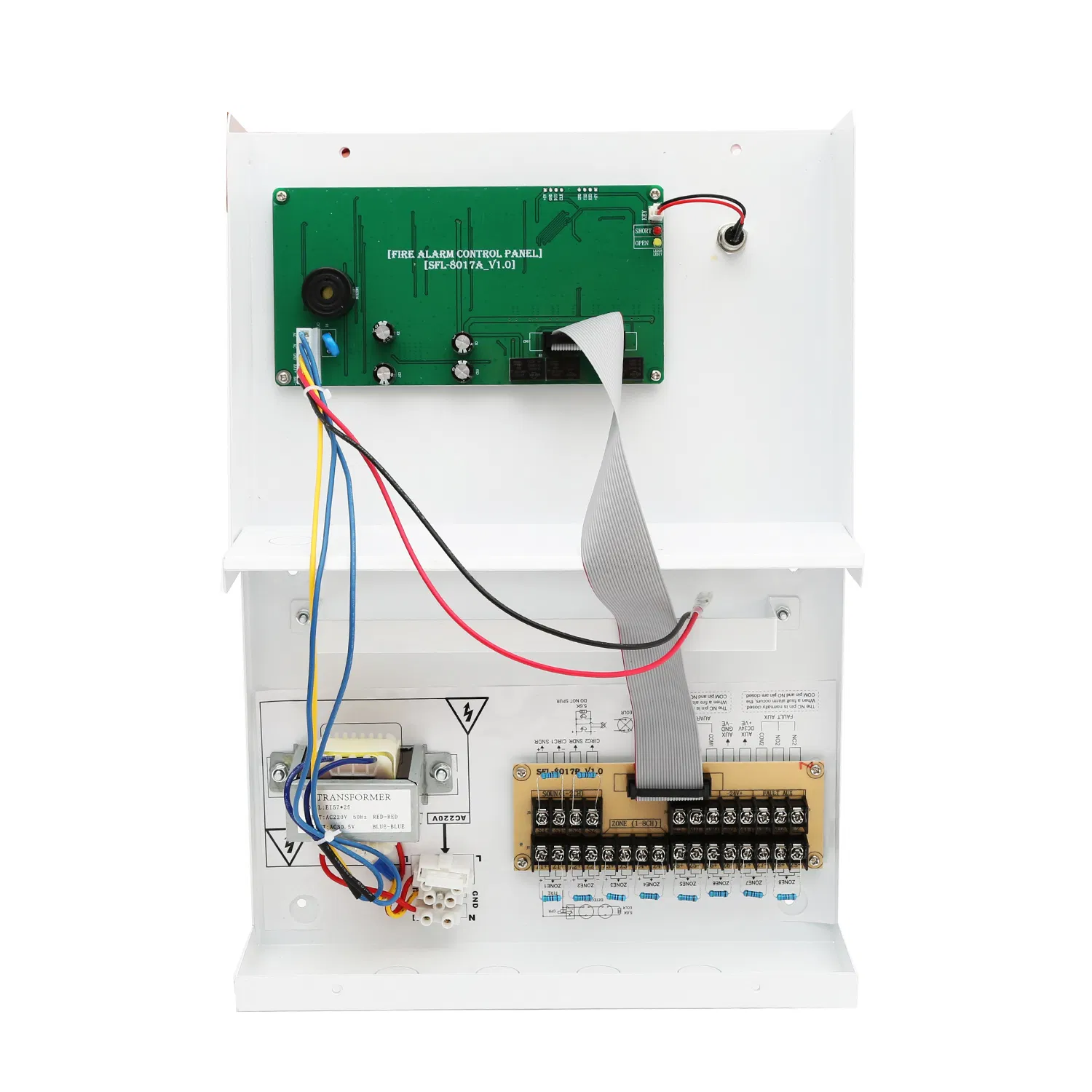
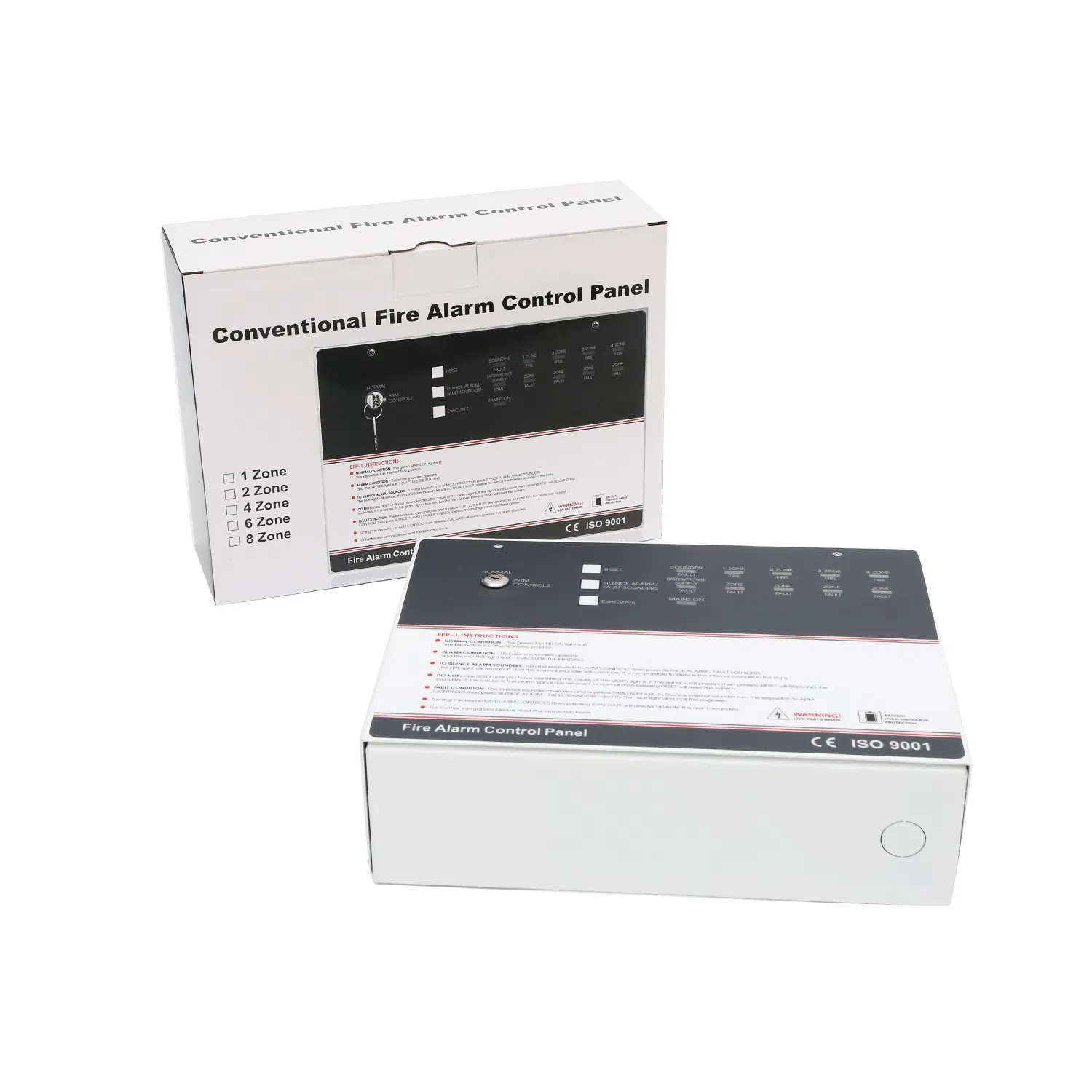
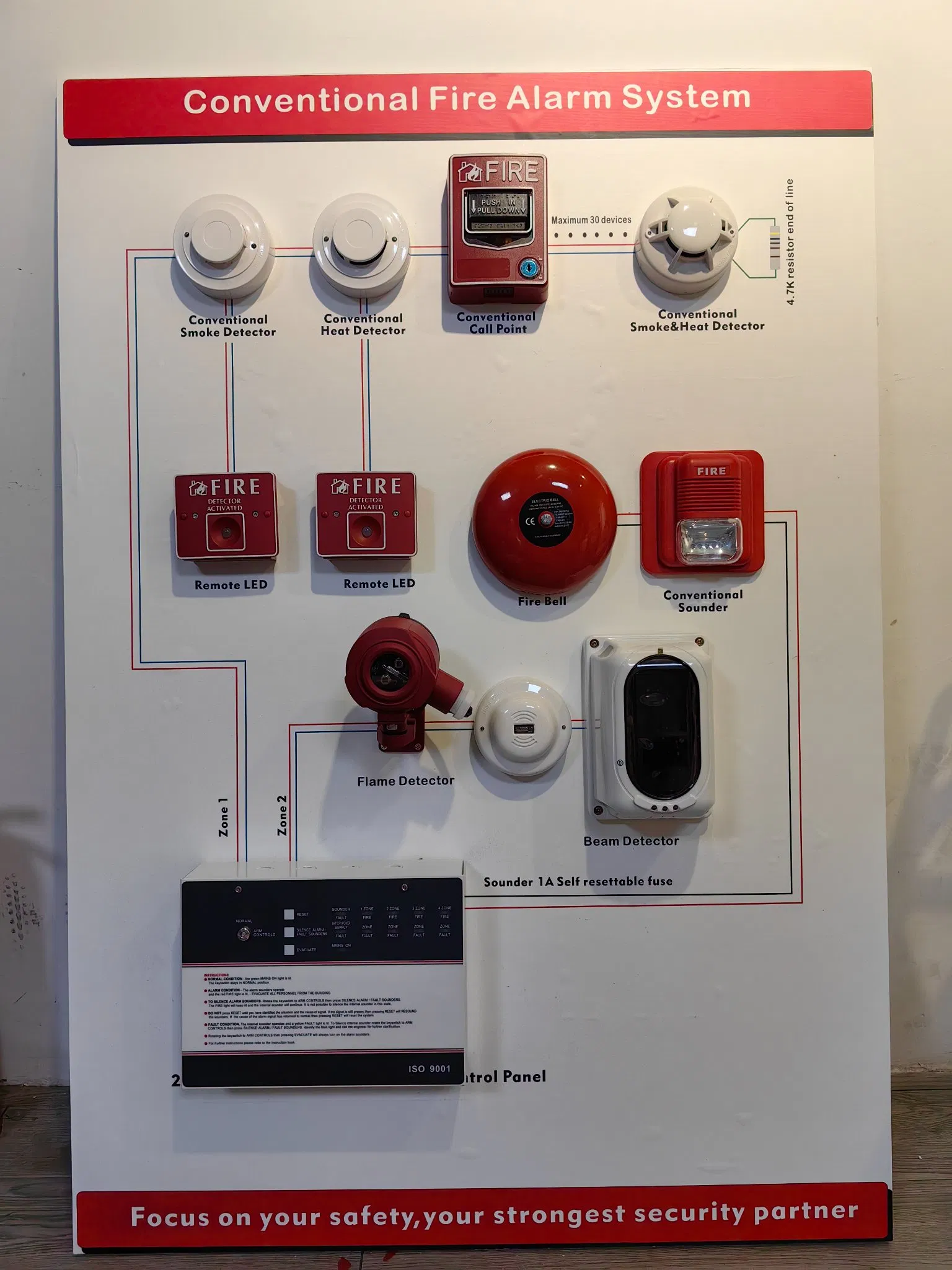
1 / 5
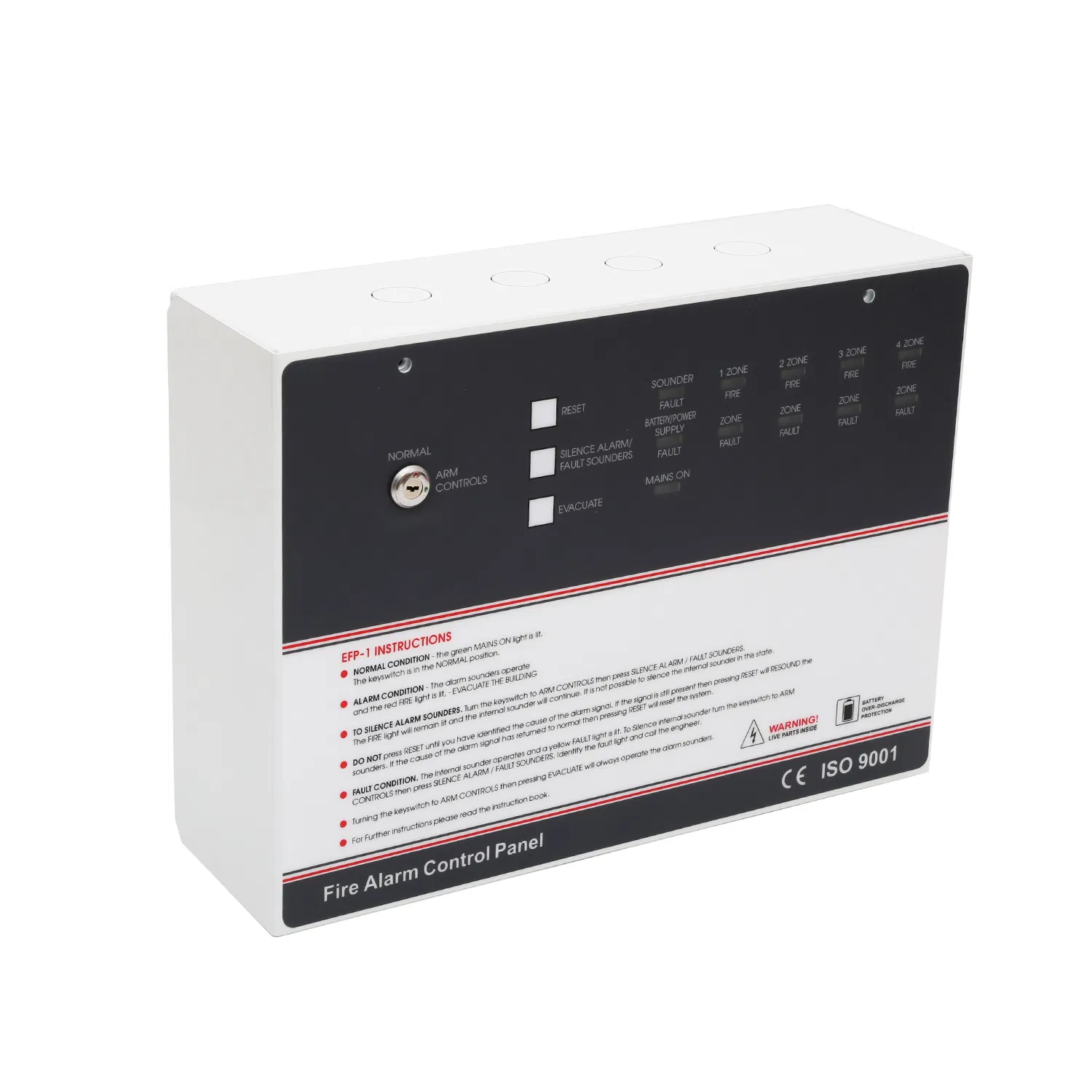
| Model NO. | PZ1002 |
| Usage | Fire, Smoke |
| Certification | CE |
| Alarm Volume | ≥100dB (within 1m) |
| Networking Mode | Alarm |
| Receive Frequency | 485/232 |
| Wiring Mode | Sub-Line System |
| Number of Zones | 2 |
| Primary AC | 90-270VDC |
| Standby Battery | 2*12V |
| Detector Voltage | 24VDC |
| Max Detectors/Zone | 30 |
| Weight | 3kg (Without Battery) |
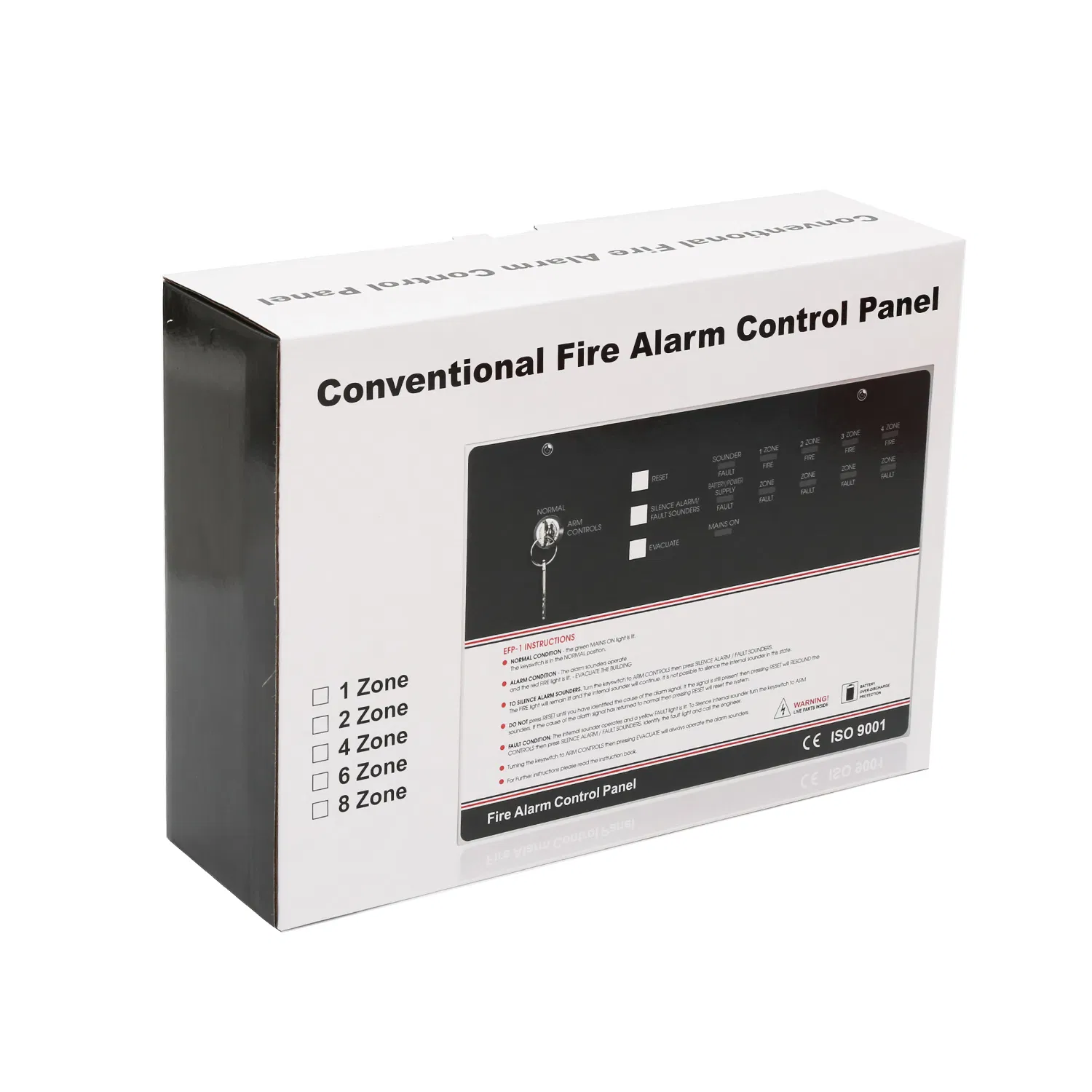
| Package Size | 30.00cm * 28.00cm * 25.00cm |
| Gross Weight | 3.000kg |
| Specification | 108*143*40mm |
| Production Capacity | 500,000/Month |
| HS Code | 8531100000 |
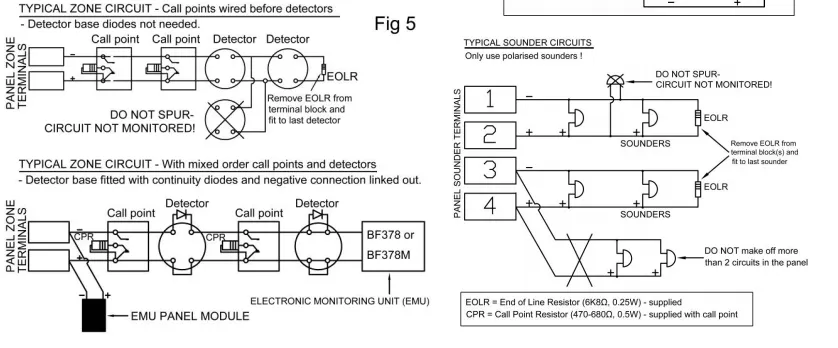
THIS EQUIPMENT MUST ONLY BE INSTALLED AND MAINTAINED BY A SUITABLY SKILLED AND TECHNICALLY COMPETENT PERSON. THIS EQUIPMENT IS A PIECE OF CLASS 1 EQUIPMENT AND MUST BE EARTHED. DO NOT CHANGE ANY CONNECTIONS WITH POWER APPLIED.
Installation Procedure: All cables must be installed in accordance with applicable national and regional standards. Fire resistant, screened cable should be used throughout. Mains wiring should be segregated from extra low voltage field wiring. For permanently connected equipment, a readily accessible disconnect device shall be incorporated external to the equipment.
Testing the Panel: When testing with the lid open, always isolate the Mains and disconnect batteries. Position and connect two 12V batteries as required. The Battery/Power Supply Fault indicator will light and the beeper will sound until Mains power is applied.
| Input Voltage | AC 100-240V, 50/60Hz |
| Internal Power | DC 30V 3A |
| Total Output Current | ≤200mA @ 220V |
| Chipset | 32-bit Micro processor |
| Operating Temp | 0ºC ~ +50ºC |
| Zone Capacity | 1-8 Zone(s) |
| Backup Battery | DC 12V/2.2AH * 2 |
| Dimension | 325x265x100mm |
| Material | Iron |
| EMI Immunity | High Immunity |