Turbo Truck
1 / 5
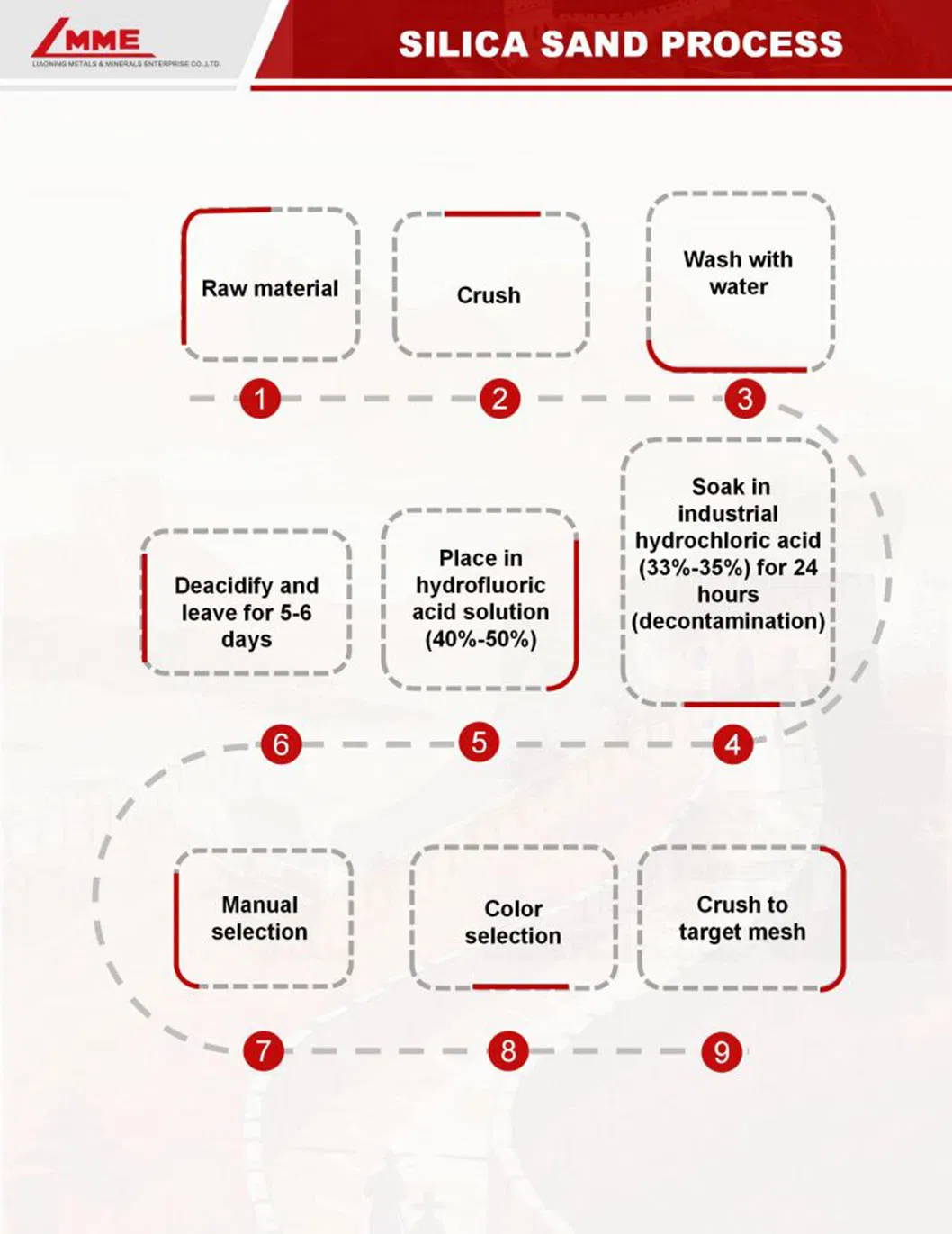
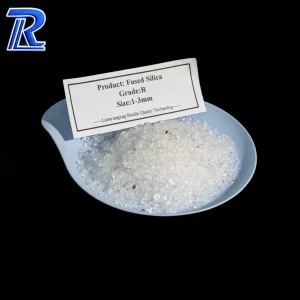
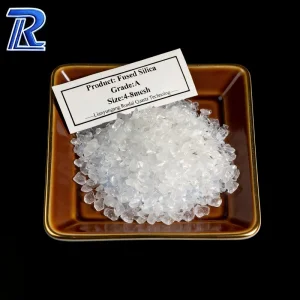
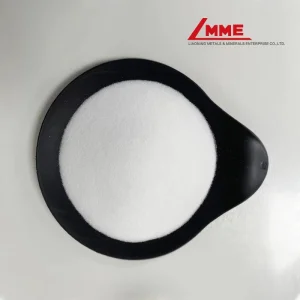
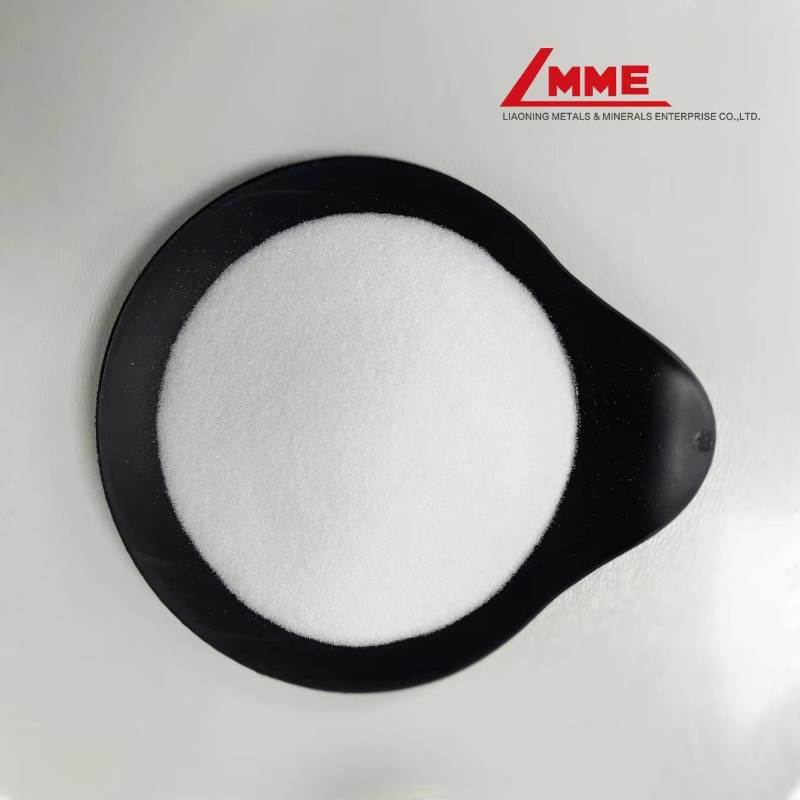
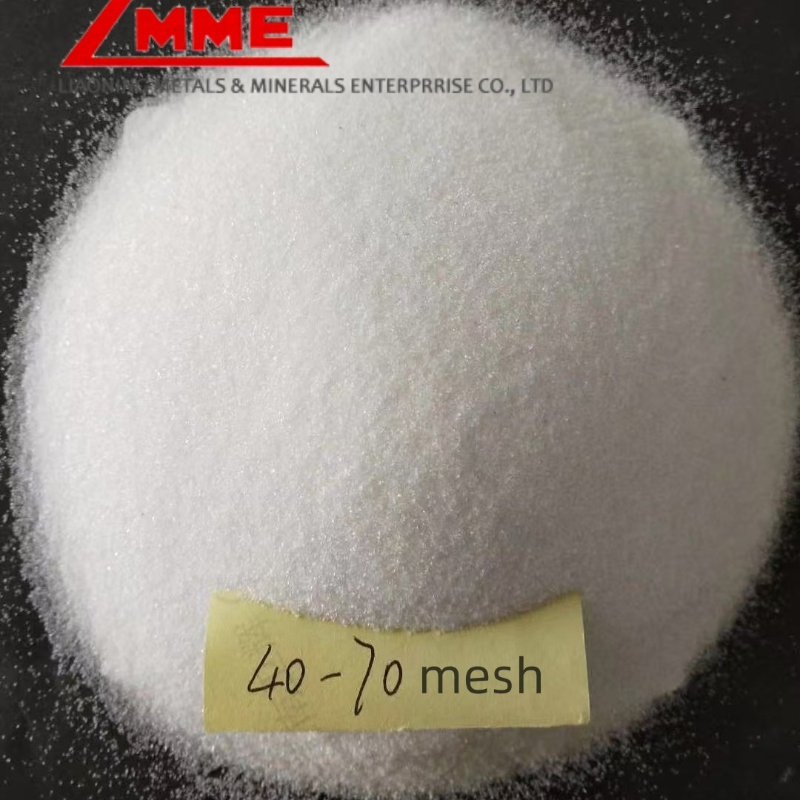
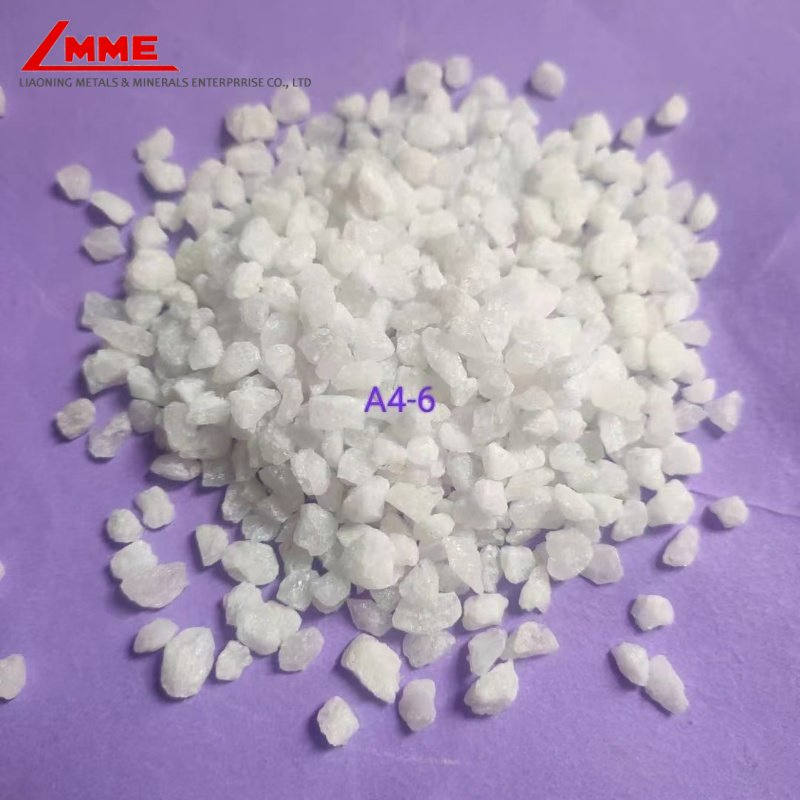
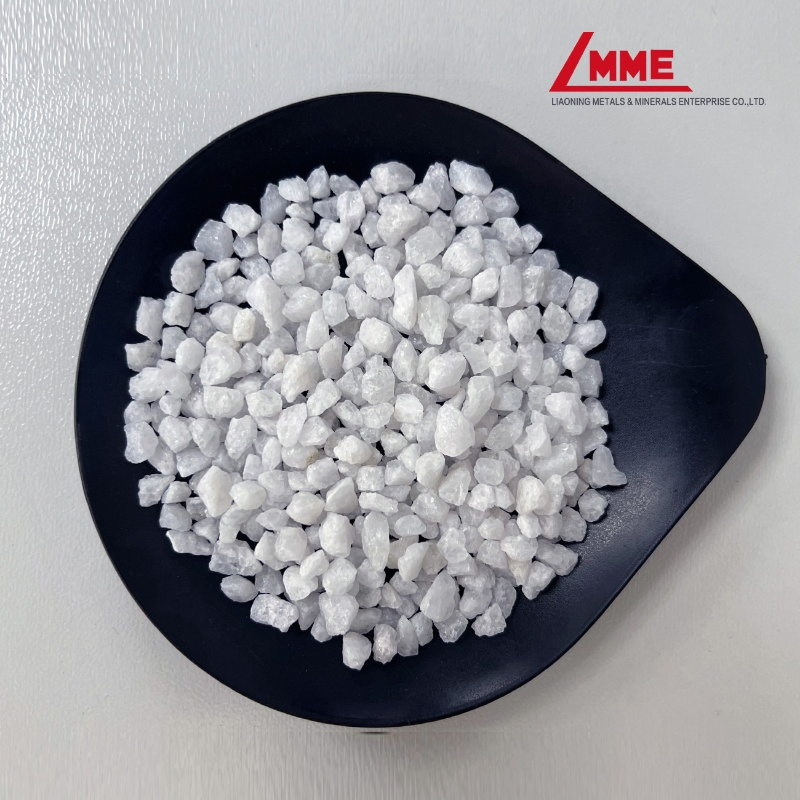
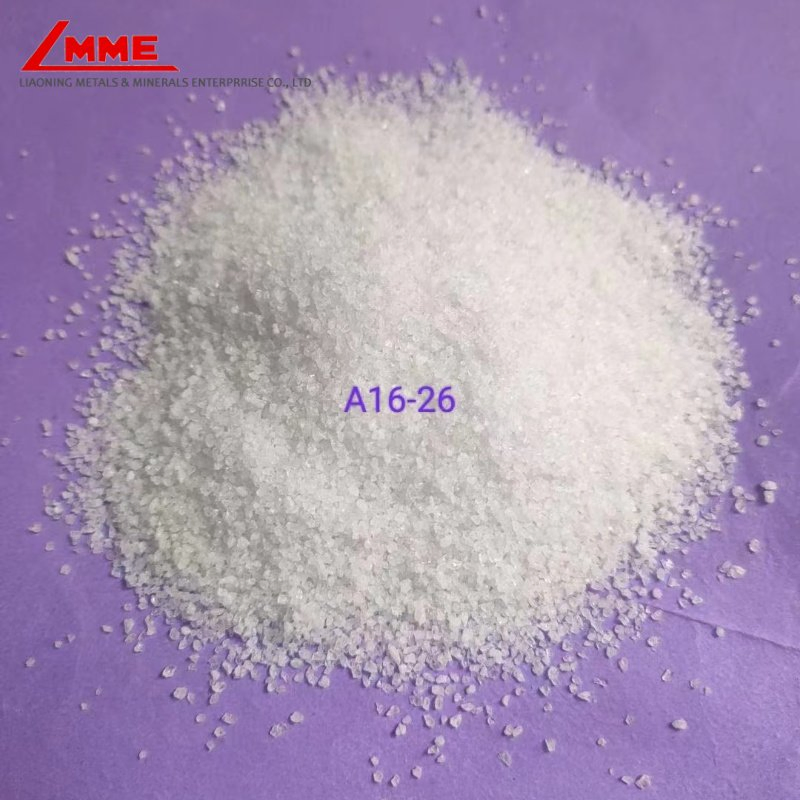
Silica sand, also known as quartz sand, is a hard, wear-resistant, and chemically stable silicate mineral. Its main component is SiO2, making it an essential material for numerous industrial applications.
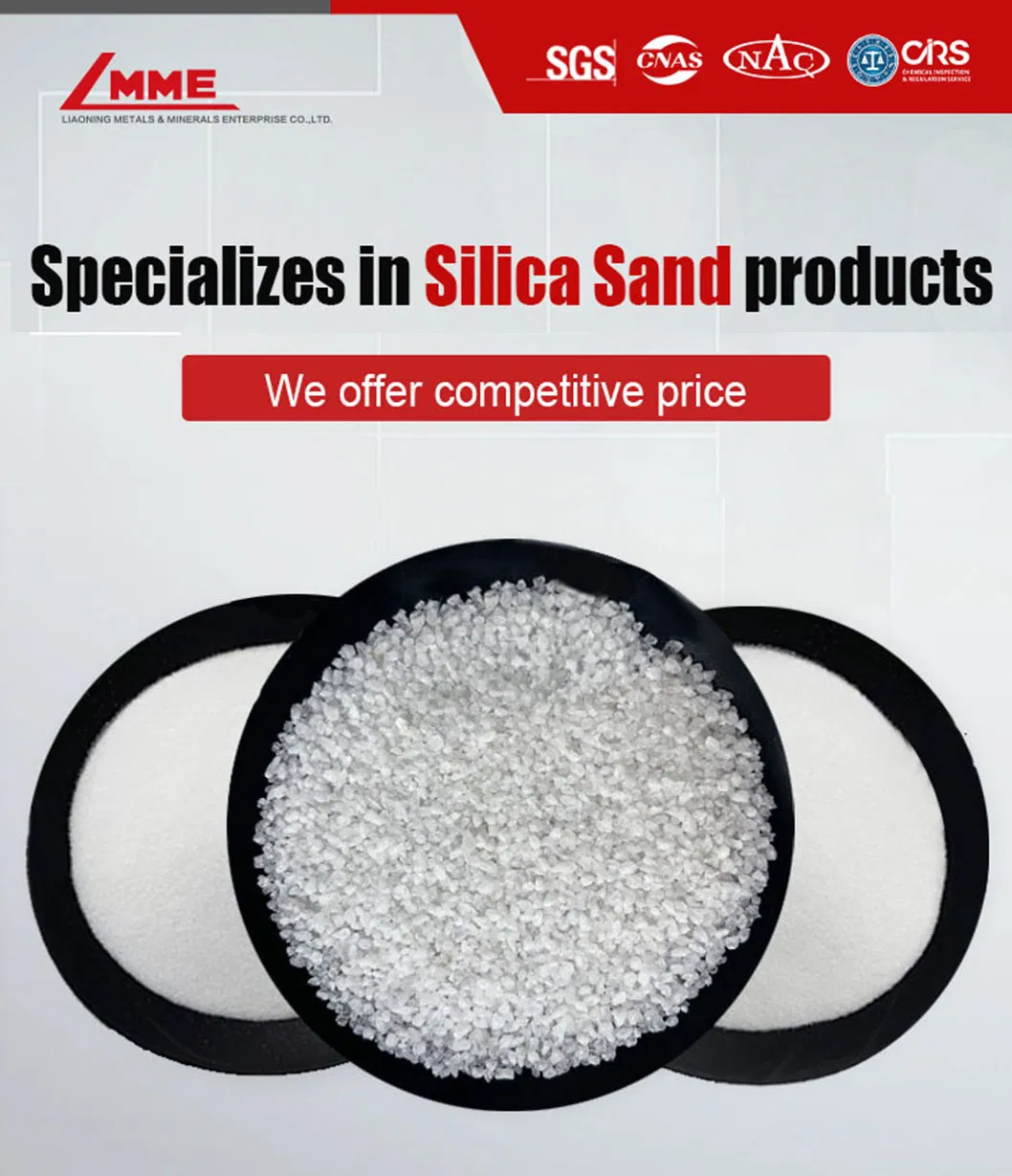
Physical Characteristics: The color is milky white or colorless and translucent. It features a hardness of 7, is brittle without cleavage, has a shell-like fracture, and exhibits an oily luster. Its relative density is 2.65.
Key Advantages: Thermal shock resistance, high insulation, corrosion resistance, and high-temperature stability (Melting point 1750°C).
| Product Properties | SI Unit | Grade A | Grade B | Grade C | |||
|---|---|---|---|---|---|---|---|
| Chemical Component | % | Spec | Typical | Spec | Typical | Spec | Typical |
| SiO2 | % | 99.50 min | 99.89 | 99.00 min | 99.24 | 98.00 min | 98.65 |
| Fe2O3 | % | 0.01 max | 0.0026 | 0.10 max | 0.09 | 0.50 max | 0.42 |
| CaO | % | 0.10 max | 0.014 | 0.10 max | 0.01 | 0.10 max | 0.03 |
| MgO | % | 0.01 max | 0.008 | 0.10 max | 0.01 | 0.10 max | 0.05 |
| Al2O3 | % | 0.10 max | 0.021 | 0.30 max | 0.25 | 1.00 max | 0.5 |
| Loss on ignition | % | 0.10 max | 0.01 | 1.00 max | 0.24 | 2.00 max | 0.32 |
Widely used in glass manufacturing, casting, water treatment, ceramics, refractory materials, metallurgy, construction, chemical industry, plastics, rubber, and abrasives.